
What Chicago PMs Miss When Hiring a Blasting Contractor
This blog speaks to experienced project managers working across Chicago facilities. You know construction, maintenance, and shutdown planning. You also know how one early trade mistake ripples through the rest of the schedule. Blasting work often falls into that risk zone. It sits early, moves fast, and rarely gets revisited once coatings begin. The goal here is awareness. This is not a critique. It is a look at what Chicago sandblasting contractors plan for before a crew ever rolls onto a site, and what often gets missed during contractor selection.
WHY BLASTING GETS UNDERESTIMATED
Blasting is surface preparation, not cleanup. It sets the profile for coatings, linings, weld repairs, and inspections. When prep fails, coatings fail later. In Chicago, those failures show up faster due to moisture, temperature swings, and heavy use cycles.
Many PMs evaluate blasting bids on production rates and price. Fewer dig into how the contractor plans the work. Industrial blasting Chicago jobs rarely fail because of equipment. They fail because planning assumptions do not match site reality.
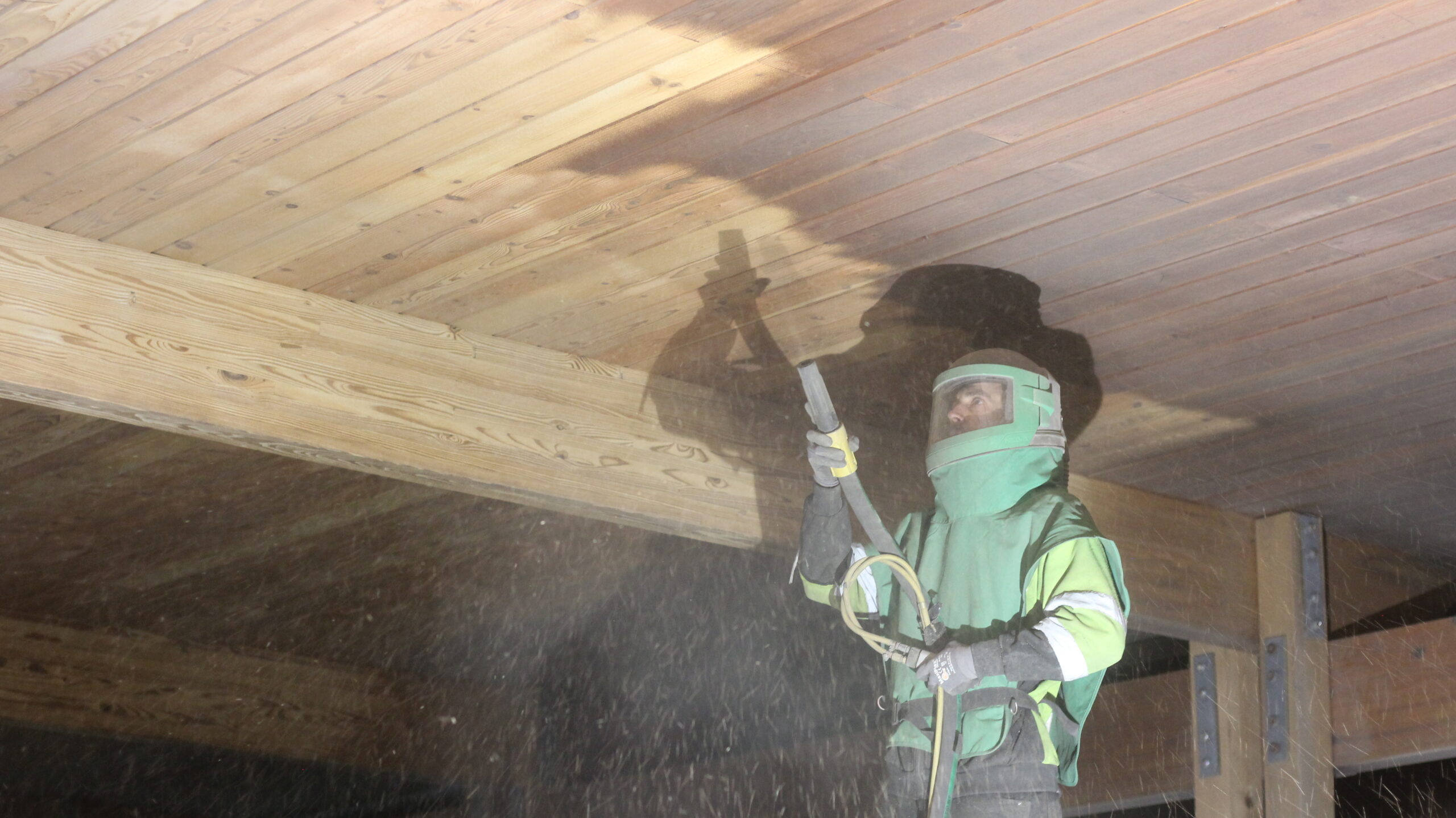
Chicago buildings add pressure. You deal with aging steel, mixed substrates, limited access points, active operations, and neighbors close enough to hear every compressor start. These conditions raise the cost of missed questions.
SURFACE PREP IS NOT ONE SIZE FITS ALL
One common oversight is assuming all blasting achieves the same result. Surface prep varies by coating system, substrate condition, and service environment. SSPC and NACE standards exist for a reason. Even within the same standard, results differ based on media, nozzle pressure, and dwell time.
Old structural steel often includes mill scale remnants, previous coatings, and embedded contaminants. Concrete surfaces bring laitance, moisture vapor, and patchwork repairs. A contractor who does not ask detailed questions about coating specs, surface condition, and inspection criteria likely plans to adjust in the field. Adjustments cost time.
Ask how the contractor confirms surface profile. Ask how they handle transitions between old coatings and bare steel. Ask how they plan for uneven substrates. Experienced contractors plan these steps before mobilization.
MEDIA SELECTION DRIVES RESULTS AND REDUCES RISK
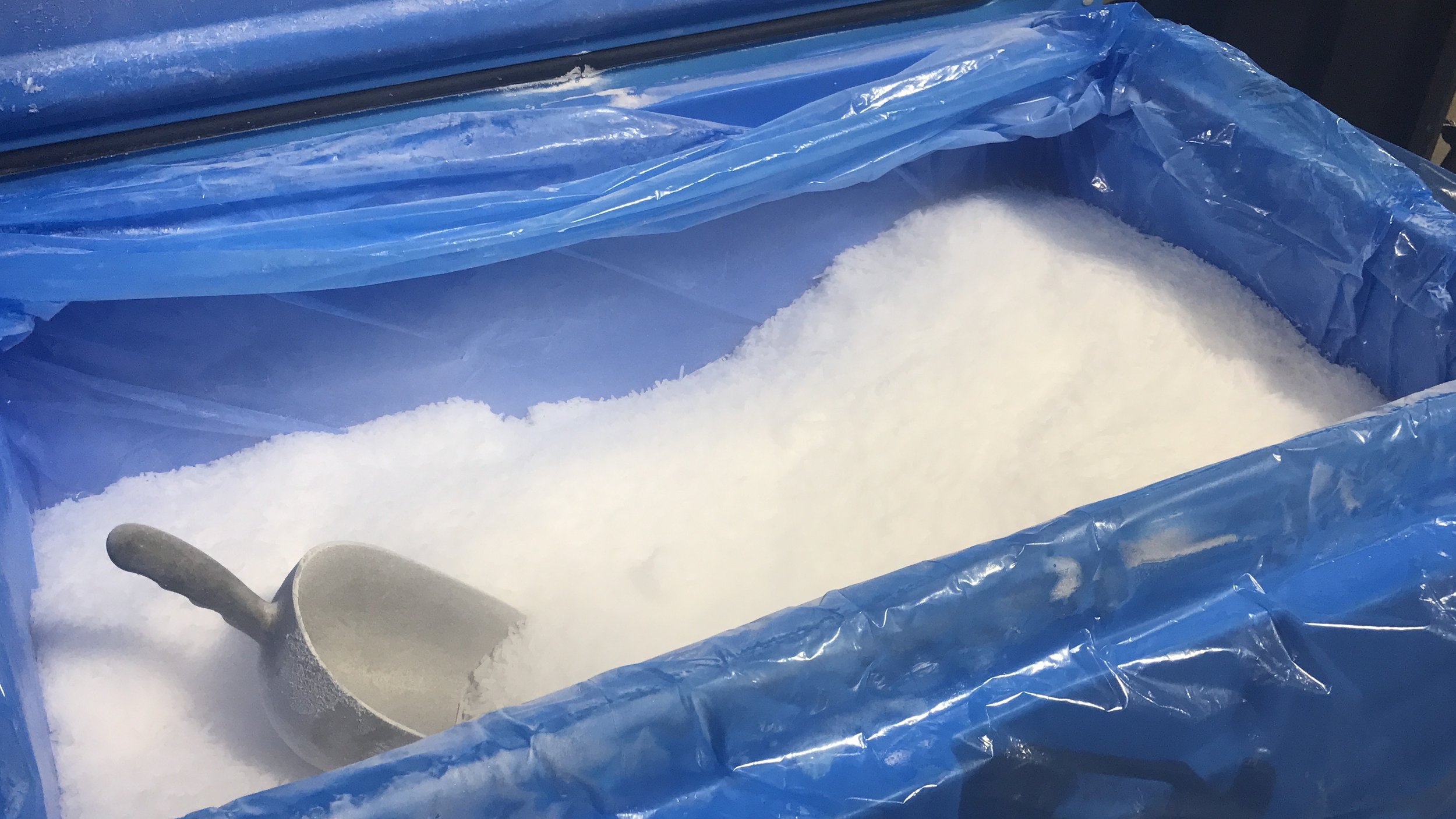
Media choice often gets overlooked. Sand, steel grit, slag, glass, and specialty media all behave differently. Media affects surface profile, dust generation, rebound, and cleanup time.
In dense urban sites, media selection impacts more than finish quality. It affects containment size, waste volume, and neighbor impact. Industrial surface preparation Chicago projects inside operating facilities often benefit from recyclable media to limit debris. Exterior steel near public areas may require low-dust options to reduce risk.
When PMs do not ask about media, contractors default to what they stock. That choice may not align with the substrate or site constraints. Media mismatches lead to overblasting, under profile, or embedded residue. Each outcome shows up later as rework.
CONTAINMENT IS A PLANNING ITEM, NOT A FIELD FIX
Containment planning separates smooth blasting projects from chaotic ones. Chicago sites rarely offer open space. You work inside mechanical rooms, over active process lines, or next to occupied areas. Containment protects workers, equipment, and surrounding operations. It also protects your schedule. Poor containment slows production, triggers cleanup delays, and invites safety shutdowns.
Ask how containment will be built. Ask about air movement, negative pressure, and access points. Ask how inspections will occur without tearing down walls. Sandblasting project planning requires containment sized for both production and oversight. Experienced contractors plan containment drawings, airflow calculations, and staging areas before arrival. Less prepared teams solve these problems after setup, when changes cost time.
MOBILIZATION MATTERS IN CHICAGO
Mobilization in Chicago looks different than in open industrial yards. Parking restrictions, freight elevators, weight limits, and union site rules all shape how equipment moves.
Blasting rigs include compressors, dust collectors, hoses, media storage, and waste containers. Each item needs a path from street to work area. PMs often assume contractors have handled this before. Some have not handled your building before.
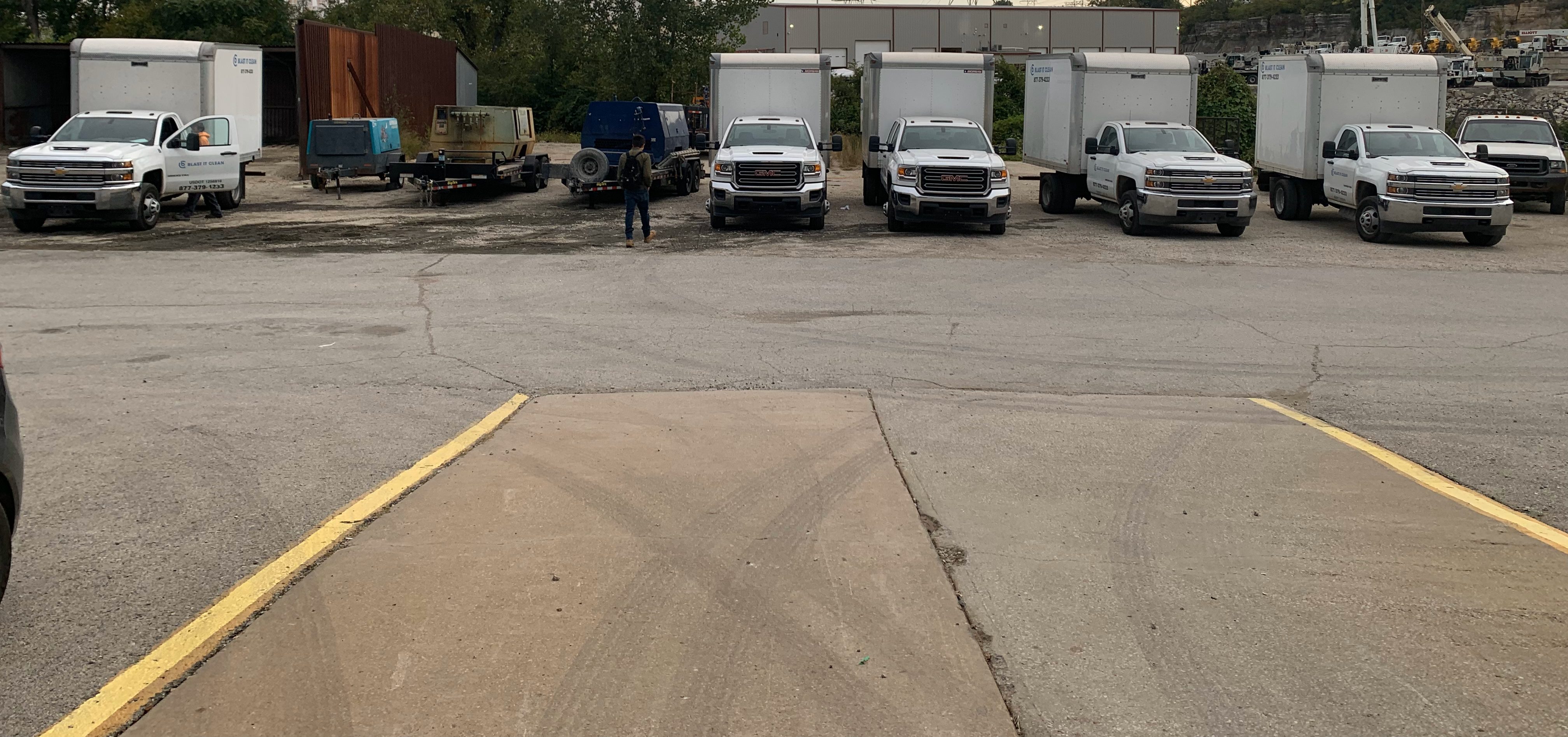
Surface prep contractors Chicago teams who ask about loading docks, elevator schedules, and floor ratings signal experience. Contractors who do not ask plan to figure it out on arrival. That planning gap shows up as lost days.
COORDINATION WITH OTHER TRADES
Blasting rarely happens in isolation. Mechanical crews, electricians, and coating teams all orbit the same space. In shutdowns, every hour counts. Coordination failures often stem from unclear boundaries. Who removes insulation. Who protects equipment. Who reinstalls after prep. When these details stay vague, crews wait on each other.
Industrial blasting contractors with experience ask for trade coordination meetings. They clarify handoff points and protection scopes. PMs who push these conversations early avoid stacking delays later.
WEATHER AND ENVIRONMENTAL CONTROLS SHAPE SCHEDULES
Chicago weather affects blasting year-round. Winter brings condensation risks. Summer brings humidity spikes. Both affect surface prep and coating windows. Blasting contractors should plan environmental controls. Dehumidification, heating, and monitoring protect surface conditions between prep and coating. PMs often focus on coating controls and overlook prep conditions. Ask how the contractor monitors surface temperature and dew point during blasting. Ask how long prepared surfaces stay protected before coating. Missed controls lead to flash rust and reblast cycles.
INSPECTION AND DOCUMENTATION MAY GET OVERLOOKED
Inspection often enters the conversation late. Yet inspection criteria guide prep methods from day one. Surface cleanliness, profile depth, and visual standards drive production pace. Chicago projects frequently involve third-party inspectors or owner reps. Contractors should plan inspection access and lighting. They should document prep stages.
When PMs skip inspection planning discussions, disputes surface later. Photos, logs, and hold points reduce friction. Experienced Chicago sandblasting contractors build documentation into their workflow.
REAL WORLD CONSEQUENCES OF MISSED QUESTIONS
Consider an aging Chicago plant with limited shutdown hours. The PM hires a low bid blasting crew. Media selection generates excessive dust. Containment fails inspections. Rework eats two days. Coating crews sit idle. The shutdown extends.
Another site involves interior structural steel. Blasting removes more material than planned due to aggressive media. Surface profile exceeds coating tolerance. Additional coating layers get added to compensate. Material costs rise.
These outcomes stem from planning gaps, not bad intent.
WHAT EXPERIENCED CONTRACTORS PLAN BEFORE ARRIVAL
Strong contractors plan backward from coating requirements. They assess substrate history. They select media based on finish and environment. They design containment for both safety and workflow. They map equipment routes and staging zones. They coordinate with trades and inspectors.
They do this work before crews arrive because Chicago sites demand it.
WHY CHICAGO PMS PARTNER WITH BLAST IT CLEAN
Chicago projects demand more than production rates and equipment lists. They demand forethought rooted in local conditions. Working with Blast It Clean means working with a team that plans for aging substrates, limited access, dense surroundings, and strict schedules before the first hose is unrolled. Media selection, containment, mobilization, and coordination get resolved early so prep work supports the full scope instead of disrupting it. For Chicago sandblasting contractors, this level of planning is not extra effort. It is the baseline for keeping projects on track and surfaces ready the first time.