
Why Dry Ice Blasting Fits Chicago Food Production Standards
Chicago food production runs on strict sanitation rules, tight maintenance windows, and constant pressure to keep lines moving. Cleaning work needs to support those realities. Dry ice blasting Chicago food facilities has become a practical fit because it aligns with how food plants operate day to day. It supports sanitation goals without adding moisture, grit, or cleanup delays. For facilities facing audits, allergen risks, and compressed shutdown schedules, this approach fits existing workflows rather than forcing new ones.
WHY CHICAGO FOOD FACILITIES REQUIRE DRY, RESIDUE-FREE CLEANING
Food production environments in Chicago face a mix of local health oversight, federal regulation, and internal quality programs. Plants operate under expectations tied to USDA, FDA, and third-party audit standards. Those expectations focus on residue removal, prevention of cross-contamination, and surface integrity. Cleaning processes need to remove buildup without damaging equipment or leaving behind foreign material. Dry ice blasting meets those expectations through a process built around containment and control rather than abrasion or chemicals.
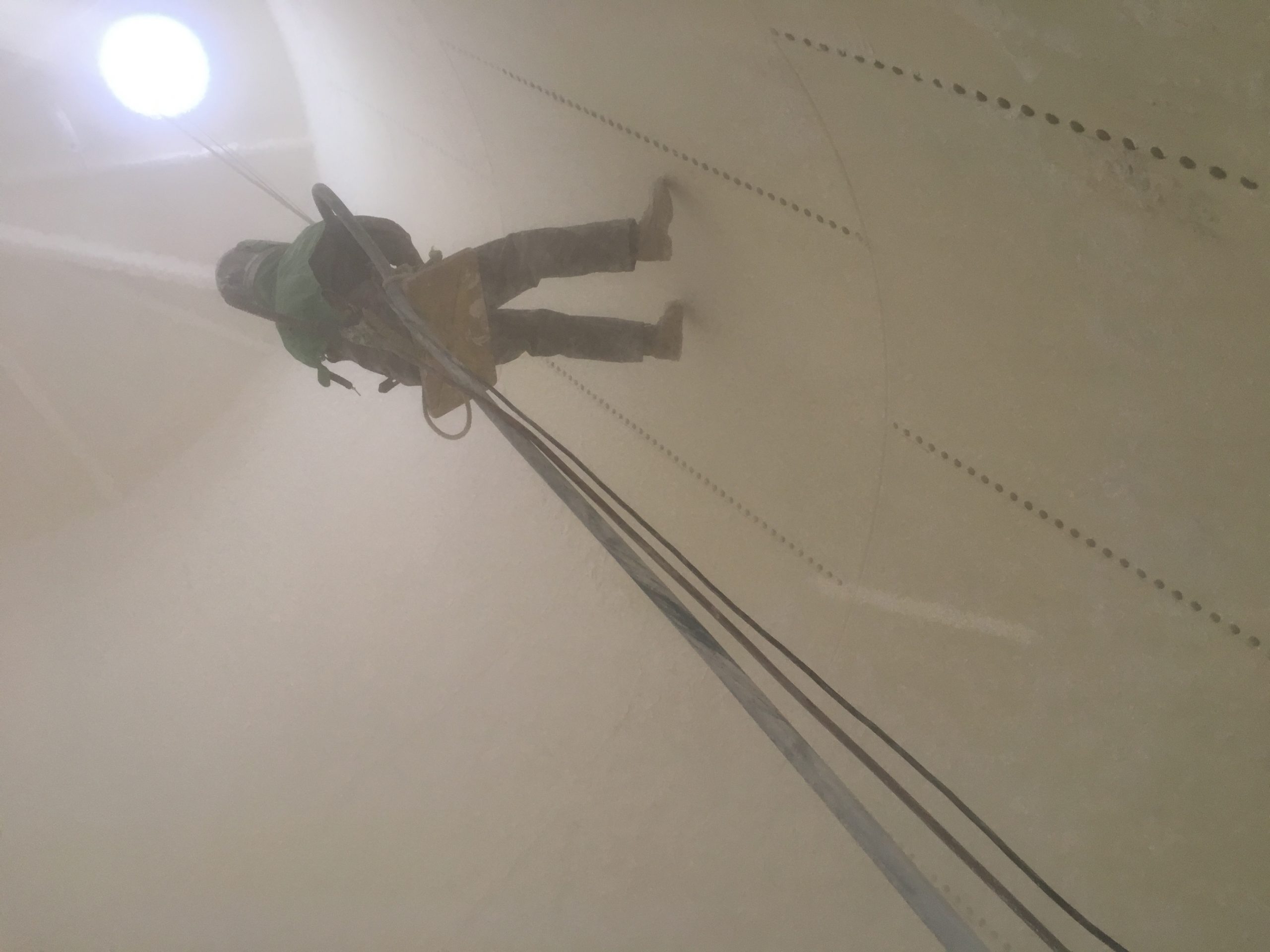
ELIMINATING MOISTURE RISK IN FOOD PLANT CLEANING
Moisture remains one of the biggest risks during cleaning in food plants. Water invites microbial growth, corrosion, and extended dry times. In Chicago, humidity swings and cold weather add more variables. Wet cleaning often pushes production restart into the next shift or even the next day. Dry ice cleaning in Chicago avoids those delays. Equipment stays dry. Electrical components stay intact. Restart times shorten because there is no need to wait for evaporation or re-lubrication.
HOW DRY ICE BLASTING SUPPORTS FOOD PRODUCTION SANITATION STANDARDS
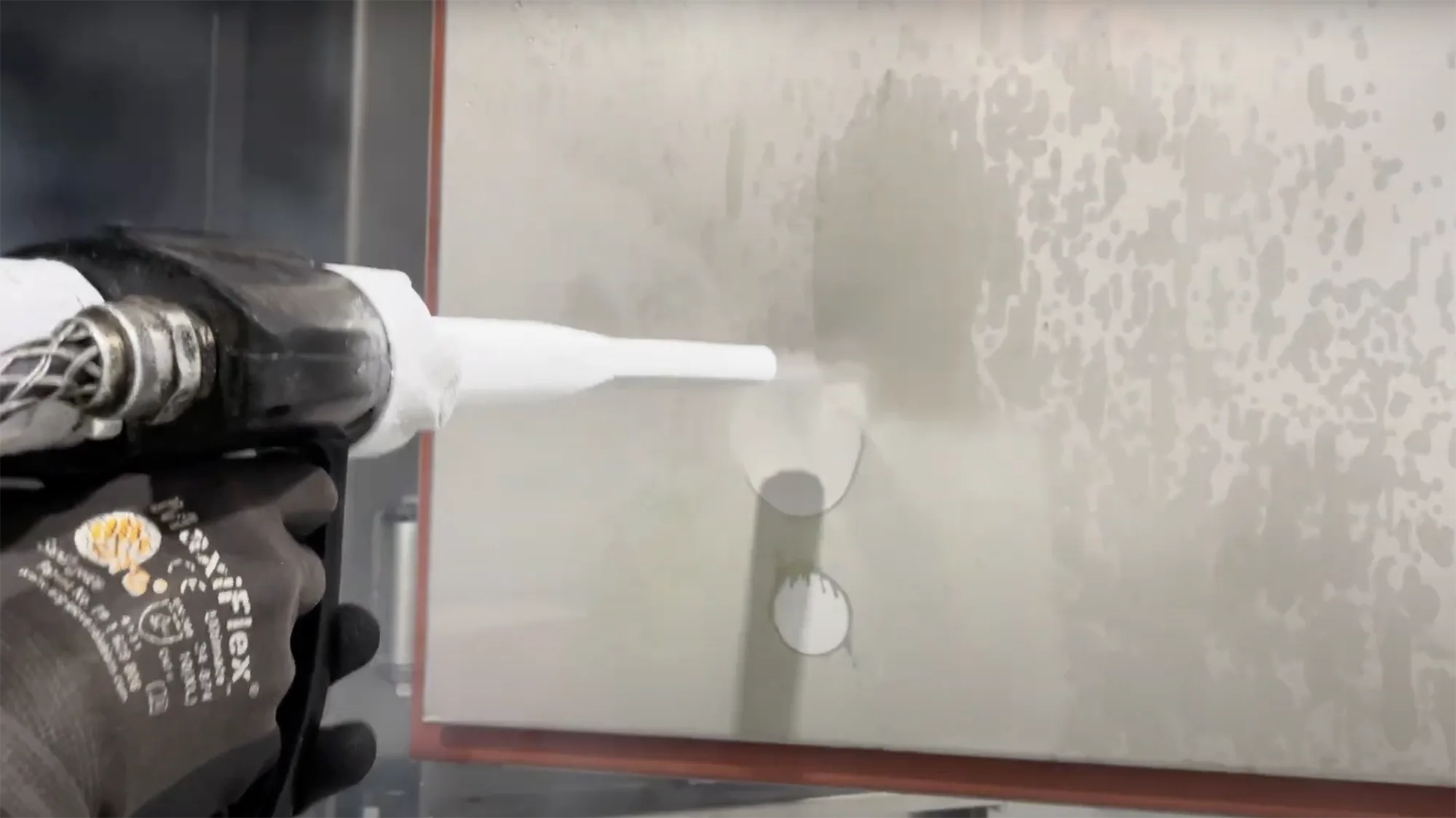
Dry ice blasting works by accelerating solid carbon dioxide pellets toward a surface. On impact, the pellets sublimate from solid to gas. This phase change lifts residue away from surfaces without grinding or soaking. No secondary waste remains. No water pools on floors.
No media lodges in bearings or motors. In food-grade blasting Chicago environments, those traits matter more than raw cleaning force. Sanitation teams focus on repeatable results and predictable inspection outcomes. Dry ice blasting supports both.
AVOIDING ABRASIVE MEDIA IN FOOD GRADE ENVIRONMENTS
Residue control also drives cleaning decisions. Abrasive blasting introduces media like sand, grit, or soda. Even food-safe media creates cleanup work and inspection risk. Small particles travel beyond the target area and settle into conveyors, enclosures, and drains. Food plants work hard to limit foreign material exposure. Non-abrasive cleaning of food plants in operations benefits from dry ice blasting because the media disappears on contact. The only material left behind comes from the surface being cleaned.
PROTECTING FOOD CONTACT AND NEAR CONTACT SURFACES
Surface preservation plays an equally important role. Food equipment relies on smooth finishes, coatings, and tolerances. Abrasion shortens service life and creates harborage points. Dry ice blasting removes buildup without etching stainless steel, aluminum, plastics, or food-grade coatings. Conveyors retain their finish. Guards and housings stay intact. Processing lines maintain the surface condition inspectors expect to see.
SUPPORTING TIGHT MAINTENANCE WINDOWS AND FAST TURNAROUNDS
Maintenance windows in food production rarely offer much flexibility. Shutdowns often run overnight or over a weekend. Cleaning crews need to move quickly between zones and equipment types. Dry ice blasting adapts well to those conditions. Crews clean in place without full disassembly in many cases. Guards come off, buildup comes off, and components return to service without extended teardown. This approach supports faster turnover without cutting corners.
CONVEYOR CLEANING WITHOUT DISASSEMBLY OR WATER
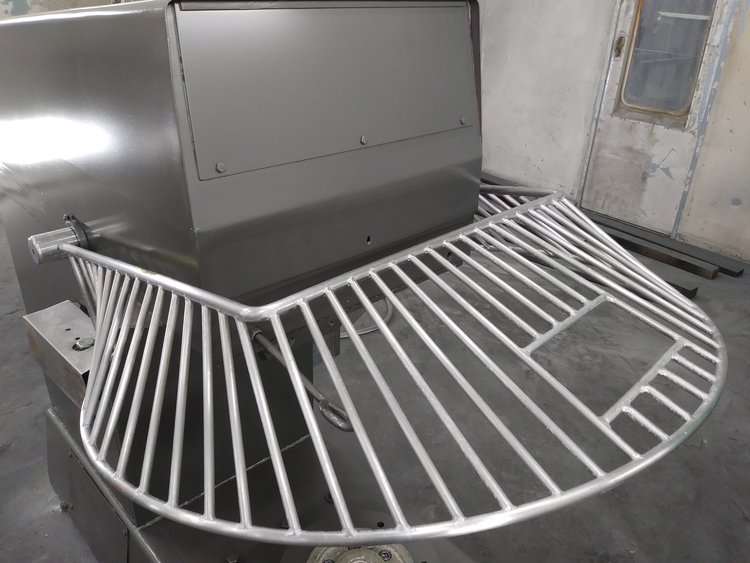
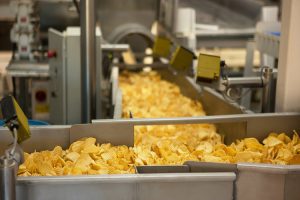
Conveyors represent one of the most common uses in industrial food facility cleaning Chicago programs. Belts accumulate oils, sugars, starches, and seasonings. Rollers collect fine residue that resists wiping. Dry ice blasting reaches into those assemblies without saturating bearings or drives. Operators target frames, rollers, and transfer points while belts remain installed when allowed by plant procedures. Cleanup stays contained, which helps sanitation teams move from line to line during short shutdowns.
OVEN AND THERMAL EQUIPMENT CLEANING DURING SCHEDULED DOWNTIME
Ovens and thermal processing equipment present another challenge. Carbonized buildup adheres tightly to metal surfaces. Scraping and chemical soaking extend downtime and create disposal concerns. Dry ice blasting breaks down carbon layers through thermal shock without gouging metal. Oven interiors, racks, and exhaust areas clean faster and return to temperature sooner. For bakeries and cooked food operations, this keeps production schedules intact after maintenance.
PROCESSING LINE CLEANING WITHOUT ELECTRICAL OR MECHANICAL RISK
Processing lines in meat, dairy, and prepared food plants include mixers, extruders, slicers, and packaging equipment. Each piece comes with seals, sensors, and electrical elements. Water exposure raises risk across all of them. Dry ice blasting cleans these areas through a controlled dry process. Crews focus on buildup zones while avoiding sensitive components. This fits well within lockout procedures and sanitation standard operating plans already in place.
ALLERGEN CHANGEOVERS AND RESIDUE CONTAINMENT
Allergen management also drives adoption. Facilities handling multiple products need cleaning processes that remove fine residue without spreading it. Dry ice blasting lifts allergens from surfaces without washing them into drains or spreading them through splash. When paired with proper containment and vacuum systems, this approach supports allergen changeovers with less risk of migration.
DOCUMENTATION, AUDITS, AND INSPECTION READINESS
Chicago food facilities also face increasing pressure around documentation and verification. Inspectors and auditors expect clear records showing cleaning steps, timing, and scope. Dry ice blasting integrates easily into those records. Maintenance logs reflect targeted cleaning during planned shutdowns. Photos and checklists align with existing sanitation programs. The process supports compliance without adding complexity.
Safety considerations matter for crews as well. Chemical exposure, repetitive scraping, and confined space moisture all carry risk. Dry ice blasting reduces chemical use and manual abrasion. Crews work under ventilation and protective equipment standards already familiar to industrial teams. The work stays predictable and repeatable, which supports training and oversight.
WHY DRY ICE BLASTING FITS CHICAGO FOOD FACILITY OPERATIONS
From a facility management perspective, dry ice blasting food facilities fits into broader asset care strategies. Equipment lasts longer when surfaces remain intact. Bearings and motors stay dry. Coatings remain in place. Over time, this reduces unplanned repairs tied to aggressive cleaning practices. Maintenance teams focus on uptime rather than recovery from cleaning damage.
For Chicago food facilities balancing compliance, production, and maintenance, dry ice blasting stands out as a practical tool. It cleans conveyors, ovens, and processing lines during tight maintenance windows. It avoids moisture and abrasive waste. It supports inspection readiness without adding complexity. In an industry where cleanliness and uptime share equal weight, dry ice cleaning Chicago continues to earn its place on the floor.
PARTNERING WITH BLAST IT CLEAN FOR FOOD FACILITY CLEANING IN CHICAGO
Dry ice blasting works best when crews understand food production pressure, sanitation limits, and maintenance sequencing. Blast It Clean approaches dry ice blasting Chicago food facilities with that operational awareness. Our teams plan work around shutdown windows, production restart targets, and inspection requirements already in place at your facility. We focus on cleaning outcomes that support audits, protect equipment surfaces, and reduce downtime risk.
Blast It Clean operates with food plant realities in mind. We coordinate with maintenance and sanitation leads, follow plant access and lockout procedures, and document work in a way that aligns with internal records. Our experience across conveyors, ovens, and processing lines allows us to clean efficiently without introducing moisture, abrasive waste, or unnecessary disruption.
For Chicago food facilities seeking food-grade blasting Chicago services built around trust and operational fit, partnering with Blast It Clean means working with a team that understands how cleaning decisions affect production. Dry ice blasting becomes part of your workflow, not an interruption to it.