
What Is Media Blasting for Masonry in 2026
Media blasting for masonry refers to a surface cleaning technique that uses propelled particles to remove coatings, contaminants, and buildup from brick, stone, and other masonry substrates. Blast It Clean delivers media blasting services designed to restore masonry surfaces while protecting their structural integrity. This article explains what media blasting involves, how it works on masonry, and why proper media selection, pressure control, and containment matter for successful outcomes.
Construction and restoration project managers often face difficult decisions when preparing masonry surfaces for protective coatings or restoration work. Understanding the fundamentals of media blasting helps you choose the right approach for your project requirements.
KEY TAKEAWAYS: WHAT IS MEDIA BLASTING FOR MASONRY IN 2026
- Media blasting removes coatings, rust, efflorescence, and contaminants from brick and stone surfaces using controlled propulsion of selected media particles.
- Proper media selection depends on substrate hardness, surface condition, and the type of material you need to remove from the masonry.
- Blast It Clean offers over 48 specialized media options to match the sensitivity of your masonry surfaces and project specifications.
- Pressure control and nozzle technique determine whether the cleaning process protects or damages the underlying masonry substrate.
- Full containment and dust control measures protect surrounding areas and ensure compliance with environmental and safety regulations.
WHAT IS MEDIA BLASTING FOR MASONRY?
Media blasting for masonry is a surface preparation method that directs particles against brick, stone, concrete, or other masonry materials to remove unwanted matter. The process cleans away coatings, efflorescence, mortar smears, biological growth, and accumulated grime without relying solely on chemical treatments.
Unlike methods that use liquid solvents alone, media blasting relies on the physical impact of particles carried by compressed air or mixed with water. The technique allows for layer-by-layer removal of buildup, which gives operators precise control over how much material comes off the surface.
Project managers select media blasting when they need to prepare masonry for protective coatings, restore historic facades, or clean surfaces in food processing facilities where sanitation standards require thorough contaminant removal.
HOW DOES MEDIA SELECTION PROTECT MASONRY SURFACES?
The type of media you choose determines whether the cleaning process preserves or damages your masonry. Media particles vary in hardness, shape, size, and density. Each characteristic affects how aggressively the particles interact with the substrate.
Softer media such as walnut shells, corn cob, and sodium bicarbonate work well on delicate surfaces like soft brick, historic limestone, or decorative terra cotta. These materials remove coatings without eroding the underlying stone or brick face.
Harder media like crushed glass or garnet suit more durable substrates or situations where you need to remove stubborn rust and heavy industrial buildup. Blast It Clean maintains access to over 48 different media types, which allows technicians to match the cleaning approach to your specific masonry conditions.
MATCHING MEDIA HARDNESS TO SUBSTRATE COMPOSITION
Masonry substrates contain minerals with different hardness levels. Limestone and marble rank lower on the Mohs hardness scale than granite or siliceous sandstone. Selecting media harder than your substrate can cause surface erosion and pitting.
For open-textured masonry, choose media based on the hardness of the coating you need to remove rather than the substrate itself. A fine, hard particle often removes a stubborn coating faster than prolonged use of a soft particle, which can cause uneven surface wear.
WHY DOES PRESSURE CONTROL MATTER FOR MASONRY CLEANING?
Pressure settings determine how much force the media exerts when it contacts the masonry surface. Higher pressure removes material faster but increases the risk of surface damage, especially on soft brick, historic mortar joints, and decorative stonework.
Experienced operators adjust pressure based on the surface condition and the coating thickness. Vapor blasting techniques introduce water into the media stream, which cushions the impact and reduces dust while still achieving effective cleaning results.
The nozzle distance and angle also influence outcomes. Keeping the nozzle at least 12 inches from the surface and using a fan-tip pattern helps distribute the cleaning action evenly and prevents concentrated damage to any single area.
WHAT ROLE DOES CONTAINMENT PLAY IN MASONRY PROJECTS?
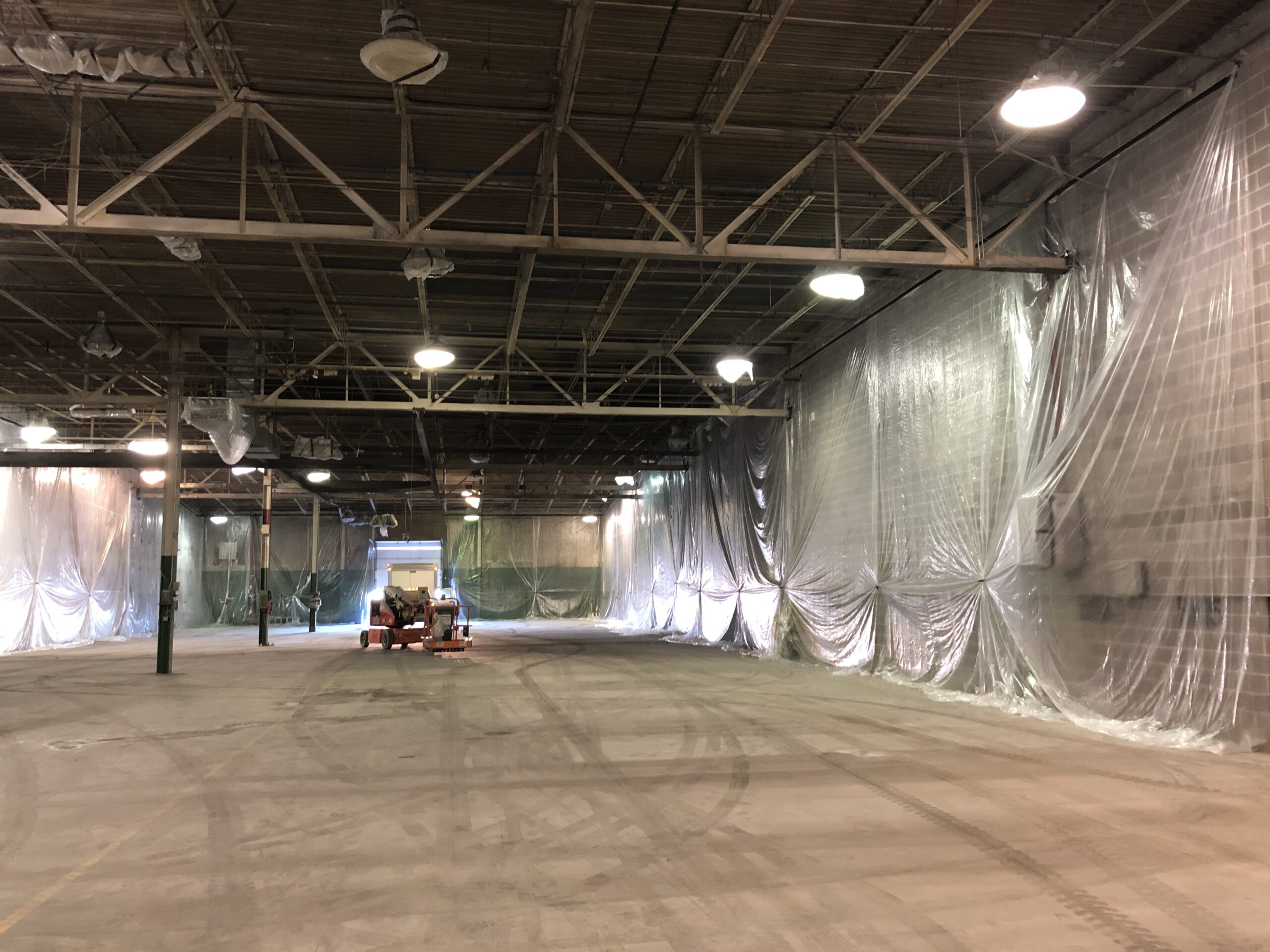
Containment systems capture spent media, removed coatings, and dust generated during the cleaning process. Full containment with negative airflow prevents cross-contamination of surrounding areas and keeps debris from escaping the work zone.
Blast It Clean sets up containment structures with scaffolding, tarps, and negative pressure systems tailored to each project site. This approach addresses regulatory requirements, protects adjacent surfaces, and supports faster cleanup.
Historic buildings and food processing facilities often require strict containment protocols. Proper planning reduces downtime by allowing other trades to work nearby without exposure to airborne particles.
ENVIRONMENTAL AND SAFETY CONSIDERATIONS
Older coatings may contain lead, chromium, or other hazardous materials. According to the Occupational Safety and Health Administration (OSHA), uncontained removal of lead-based coatings is prohibited, which makes enclosed containment systems mandatory for many masonry restoration projects.
Water runoff from wet blasting operations must not enter storm drains or groundwater supplies. Geotextile filters and collection systems help capture effluent for proper disposal.
WHAT TYPES OF MEDIA BLASTING WORK ON BRICK AND STONE?
Several media blasting methods apply to masonry cleaning and restoration. Each method offers different advantages depending on the surface type, project location, and environmental constraints.
DRY MEDIA BLASTING
Dry blasting propels media through compressed air without added water. This method works well for interior projects where water intrusion would cause problems, such as mold growth or damage to adjacent finishes. Dust control becomes critical with dry methods, which is why proper containment setups matter.
VAPOR AND WET MEDIA BLASTING
Vapor blasting introduces water to the media stream, which suppresses dust by up to 98% and softens the impact on the substrate. This technique suits historic masonry where you need gentle cleaning without heat transfer that could cause warping or spalling.
Blast It Clean uses vapor blasting on projects where dust containment is difficult or where the masonry surface requires a finer finish than dry methods can achieve.
SPONGE-JET BLASTING FOR SENSITIVE MASONRY
Sponge-jet blasting uses polyurethane sponge particles embedded with cleaning media. When the sponge hits the surface, it flattens and exposes the media, then rebounds and captures the debris in a vacuum effect.
This method reduces airborne dust by up to 96% and allows recycling of the sponge media, which lowers waste disposal requirements. Blast It Clean is one of three companies in the Midwest offering sponge-jet services, making it a valuable option for restoration projects with strict environmental standards.
HOW DO YOU PREPARE MASONRY SURFACES FOR MEDIA BLASTING?
Proper preparation improves cleaning outcomes and protects the masonry. Start by identifying the substrate type and the nature of the coating or contamination you need to remove. Visual inspection and sample analysis help predict how the surface will respond to different media and pressure settings.
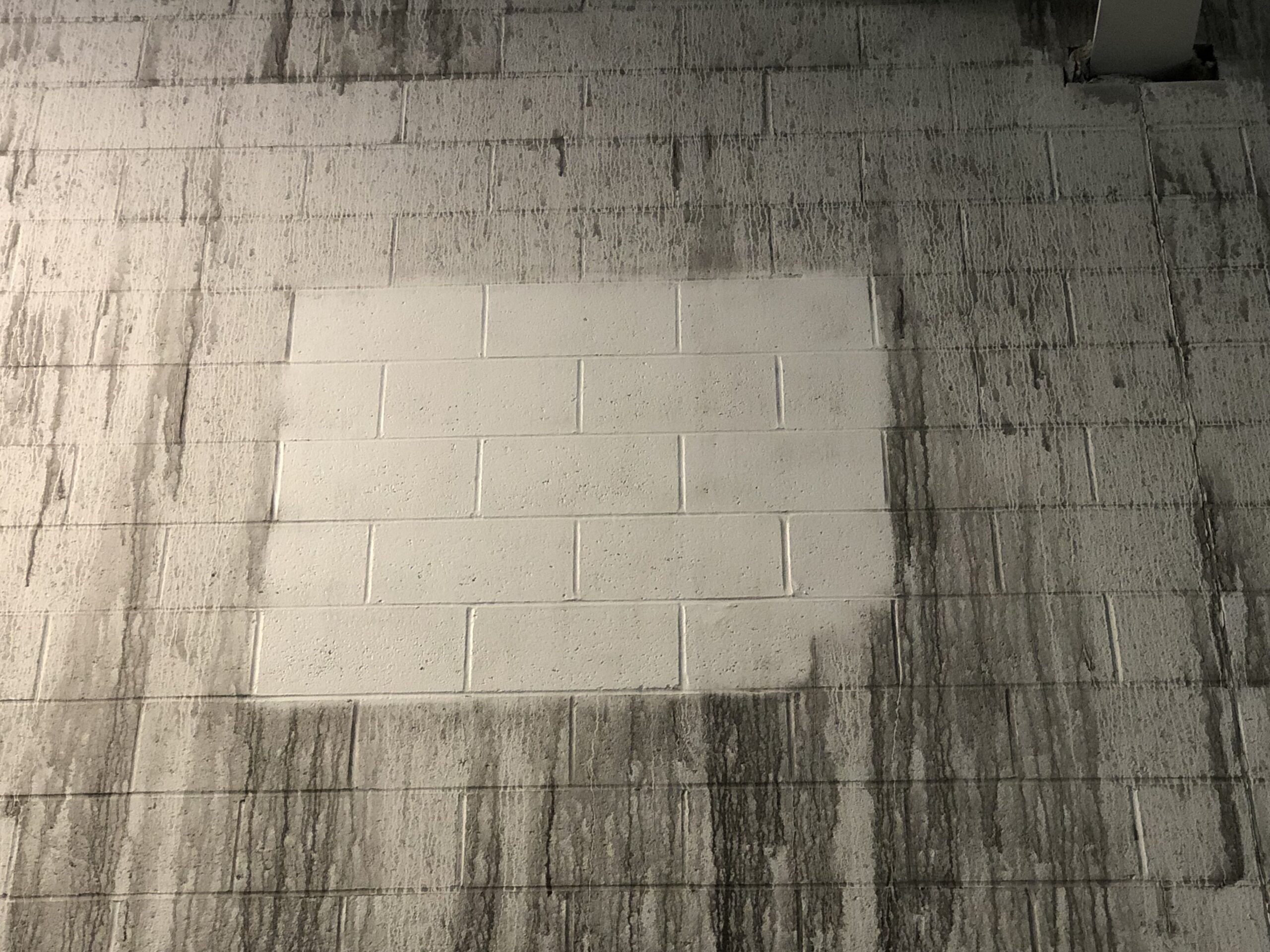
Conduct test panels in discreet areas before full-scale cleaning. Test panels show how effective your chosen method is and help establish the standard for monitoring the rest of the project. Retain test panels as references for quality control.
Pre-wetting the masonry before applying cleaning solutions or media prevents absorption and keeps the cleaning action at the surface where it belongs.
WHEN SHOULD YOU CHOOSE MEDIA BLASTING OVER CHEMICAL CLEANING?
Media blasting offers advantages when you need to remove multiple layers of coatings, heavy biological growth, or deeply embedded contaminants. Chemical methods may struggle with thick buildup or require multiple applications that extend project timelines.
Historic restoration projects often favor media blasting because the technique can preserve original surface textures when operators use appropriate media and pressure settings. Chemical treatments can alter the appearance of aged masonry or leave residues that affect future coating adhesion.
Food and beverage facilities benefit from media blasting because the method removes contaminants without introducing additional chemicals into production environments. Blast It Clean delivers industrial cleaning for facilities that require sanitation compliance and minimal downtime.
WHAT RESULTS CAN YOU EXPECT FROM PROFESSIONAL MEDIA BLASTING?
Professional media blasting restores masonry surfaces to a condition ready for coating application, further restoration work, or continued use in its cleaned state. The surface profile left after blasting affects how well protective coatings adhere.
Blast It Clean's project portfolio includes masonry cleaning for construction firms, historic preservation specialists, and industrial facilities across 48 states. Each project receives a customized approach based on the substrate, coating requirements, and site conditions.
Expect improved surface appearance, removal of deteriorating coatings, and preparation that extends the service life of subsequent protective treatments.
SELECTING THE RIGHT MEDIA BLASTING APPROACH FOR YOUR MASONRY PROJECT
Media blasting for masonry gives you a controlled method to clean brick and stone surfaces while protecting their integrity. The key to successful outcomes lies in matching media hardness to your substrate, controlling pressure and technique, and implementing proper containment.
Whether you manage a historic restoration, industrial facility cleaning, or construction surface preparation project, understanding these fundamentals helps you communicate requirements to your cleaning contractor and evaluate their proposed approach.
If you need masonry cleaning that protects delicate surfaces and meets environmental standards, contact Blast It Clean for a free estimate and customized project plan.