Cleaning Chicago Food Facilities During Shutdown Periods
Food facility shutdown cleaning in Chicago works best when it starts as a planning conversation, not a last-minute task. Short shutdown windows leave little room for guesswork. Teams juggle maintenance, repairs, inspections, and restart timelines. Cleaning needs to fit into this flow without slowing anything down. When planning starts early, shutdown cleaning supports food safety goals and helps production restart on schedule.
This blog walks through how food facility shutdown cleaning in Chicago typically unfolds. The focus stays on coordination, timing, and sequencing. The goal is simple. Help you picture how industrial shutdown cleaning fits into the larger maintenance picture, so shutdown periods feel manageable rather than rushed.
WHY SHUTDOWN CLEANING MATTERS IN CHICAGO FOOD FACILITIES
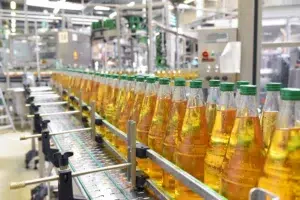 Chicago food and beverage plants run on tight schedules. Many facilities operate around the clock. Shutdowns happen during planned maintenance windows, seasonal pauses, or line changes. These windows provide rare access to areas blocked during production.
Food plant maintenance cleaning in Chicago during shutdowns supports several goals at once. It removes buildup from equipment, structures, and overheads. It helps teams spot wear, corrosion, or damage. It supports inspections tied to food safety programs and third-party audits. When cleaning happens during shutdowns, production teams avoid mid-run interruptions later.
The value lies in how cleaning supports the restart. Clean surfaces help inspectors move faster. Clear access helps maintenance teams finish tasks without rework. A clean environment supports smoother approvals once lines power back up.
PLANNING BEFORE THE SHUTDOWN WINDOW OPENS
Strong shutdown cleaning starts weeks before equipment powers down. Early planning sets the tone for the entire window. Facilities review the shutdown scope and identify where industrial cleaning fits.
This stage focuses on access, timing, and sequence. Teams look at what equipment opens first and what stays locked until later. They note overhead work zones, confined spaces, and areas tied to food contact surfaces. These details shape the cleaning plan.
For food facility shutdown cleaning in Chicago, preparation often includes walk-throughs with maintenance and safety leads. These walk-throughs map lift access, lockout points, and traffic paths. This step helps avoid conflicts once multiple trades arrive onsite.
Dry ice blasting shutdown cleaning often enters the plan here. Because it leaves no secondary waste and requires little drying time, it fits well around inspection and restart goals. Deciding this early helps align equipment, staffing, and timing.
SEQUENCING CLEANING WITHIN THE SHUTDOWN SCHEDULE
Shutdown windows move fast. Every hour matters. Sequencing keeps cleaning aligned with other work rather than competing with it.
Most schedules follow a top-down flow. Overhead structures, ceilings, and utilities come first. These areas release dust and residue during cleaning. Completing them early protects cleaned equipment below. Next comes non-food contact equipment and surrounding structures. Food contact surfaces follow later once maintenance tasks finish.
Industrial shutdown cleaning in Chicago often runs alongside mechanical and electrical work. Clear communication keeps teams from working over each other. Cleaning crews enter zones once maintenance clears them. This rhythm helps avoid repeat work and lost time.
Blast It Clean supports this flow by adjusting crew size and timing around the shutdown plan. Cleaning blocks align with access windows rather than fixed time slots. This approach keeps work moving even when schedules shift.
SAFETY AND ACCESS PLANNING DURING SHUTDOWNS

Shutdowns introduce different risks than live production. Equipment opens up. Lifts move through crowded spaces. Multiple contractors share the floor. Safety planning stays front and center.
Food processing cleaning in Chicago during shutdowns starts with lockout coordination. Cleaning teams tie into existing lockout procedures. Clear tagging and communication prevent overlap issues. Access planning covers lift paths, floor loading limits, and fall protection needs.
Dry ice blasting shutdown cleaning adds safety benefits during these windows. The process avoids water, chemicals, and abrasive media. Floors stay drier. Slip risks drop. Cleanup time stays low. These factors support safer movement during tight schedules.
CHOOSING CLEANING APPROACHES THAT SUPPORT FAST RESTARTS
Not all cleaning approaches suit shutdown windows. The right choice supports inspection readiness and restart speed.
Dry ice blasting shutdown cleaning works well in food facilities because it removes residue without water or harsh chemicals. Surfaces stay dry. Equipment returns to service faster. Inspectors view clean surfaces without waiting for moisture to clear.
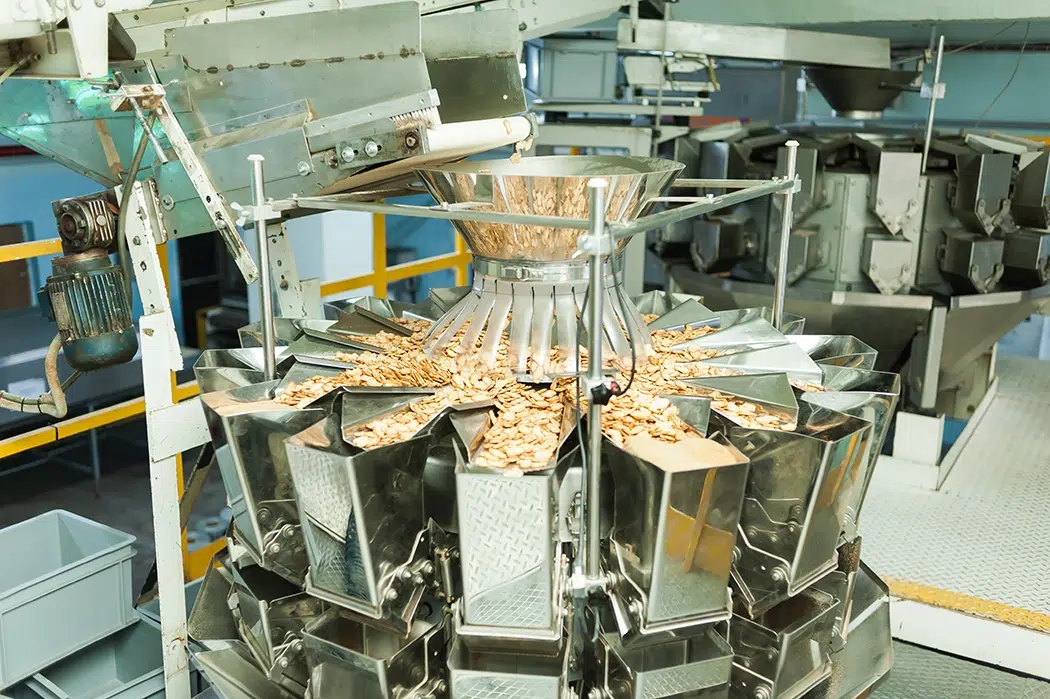
In some areas, traditional industrial cleaning still plays a role. Degreasing, vacuuming, and hand cleaning support detail work where blasting access stays limited. The key lies in matching the approach to the surface and timeline.
Blast It Clean reviews these needs during planning. The goal stays focused on inspection flow and restart timing. Cleaning choices support those outcomes rather than adding delays.
COORDINATION WITH INSPECTIONS AND APPROVALS
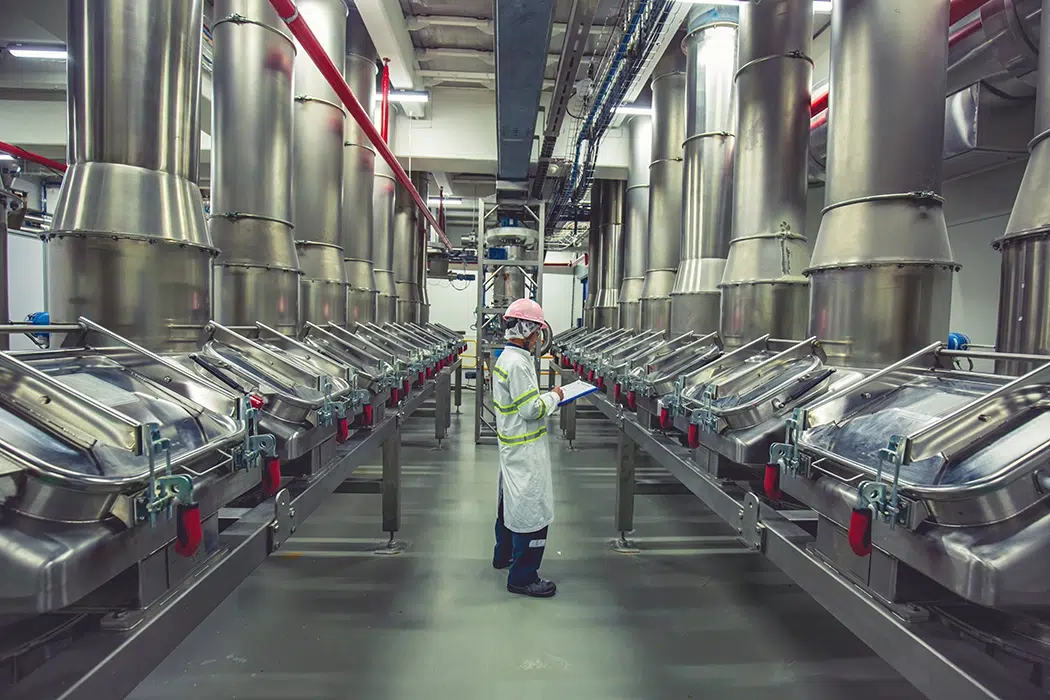
Inspections often follow closely behind shutdown cleaning. Health, safety, and quality teams need clear access and visibility.
Food facility shutdown cleaning in Chicago plans around these checkpoints. Cleaning finishes ahead of inspection windows. Crews remain available for touch-ups if inspectors flag areas. This reduces back and forth and keeps approvals moving.
Clean surfaces also help teams spot issues early. Cracks, worn seals, and corrosion stand out after cleaning. Maintenance teams address these findings before restart rather than during production.
HOW BLAST IT CLEAN FITS INTO BROADER SHUTDOWN SCOPES
Blast It Clean approaches shutdowns as part of the full maintenance picture. The team works alongside plant managers, maintenance leads, and safety staff. Planning focuses on how cleaning supports each phase of the shutdown.
This includes pre-shutdown walk-throughs, clear scopes, and flexible scheduling. Crews scale up or down based on access windows. Communication stays open as plans shift. This helps keep food plant maintenance cleaning in Chicago aligned with real-time conditions onsite.
Dry ice blasting shutdown cleaning often becomes a central tool during these projects. Its speed and low residue profile support tight windows and fast inspections. Combined with targeted industrial cleaning, it helps facilities move through shutdowns with fewer surprises.
PREPARATION DRIVES BETTER SHUTDOWN OUTCOMES
The most successful shutdown cleanings share one trait. Preparation starts early. When teams treat cleaning as part of the shutdown plan rather than an add-on, everything flows better.
Food facility shutdown cleaning in Chicago supports maintenance, safety, and quality goals when planning stays clear. Sequencing reduces rework. Access planning reduces delays. The right cleaning approaches support inspections and restarts.
Shutdowns always carry pressure, yet thoughtful coordination brings relief. With the right plan and the right partner, cleaning becomes a support system for the entire shutdown process rather than a bottleneck.
CONTACT BLAST IT CLEAN
If you are planning an upcoming shutdown or reviewing future maintenance windows, Blast It Clean helps you plan cleaning early and fit it cleanly into your schedule. Our team supports food facility shutdown cleaning in Chicago, focusing on timing, access, and coordination across trades.
Reach out to start the planning conversation before your next shutdown. Early coordination helps reduce surprises, supports faster inspections, and keeps restart timelines on track.