
Concrete Cleaning Chicago Facilities Depend On For Long-Term Maintenance
Concrete surfaces across Chicago facilities absorb years of wear from weather, traffic, moisture, and industrial activity. Parking garages collect road salt throughout winter. Loading docks handle constant truck traffic and standing debris. Industrial floors handle various types of traffic every day. Exterior concrete walls face pollution, freeze-thaw cycles, and water intrusion year after year.
Over time, contamination settles deep into the surface. What starts as surface buildup often turns into a maintenance issue that affects repairs, coatings, inspections, and long-term structural performance. This is why concrete cleaning plays an important role in facility maintenance programs across commercial and industrial environments.
For facility managers and property teams, concrete cleaning supports more than appearance. It creates cleaner working conditions, exposes hidden deterioration, and helps prepare surfaces for restoration work and protective coatings.
WHY CONCRETE SURFACES WEAR FASTER IN CHICAGO
Chicago buildings operate in one of the harsher environments for exposed concrete. Winter introduces road salts, moisture, freezing temperatures, and repeated expansion cycles. Industrial traffic and city pollution add another layer of wear through oils, carbon buildup, dirt, and airborne contaminants.
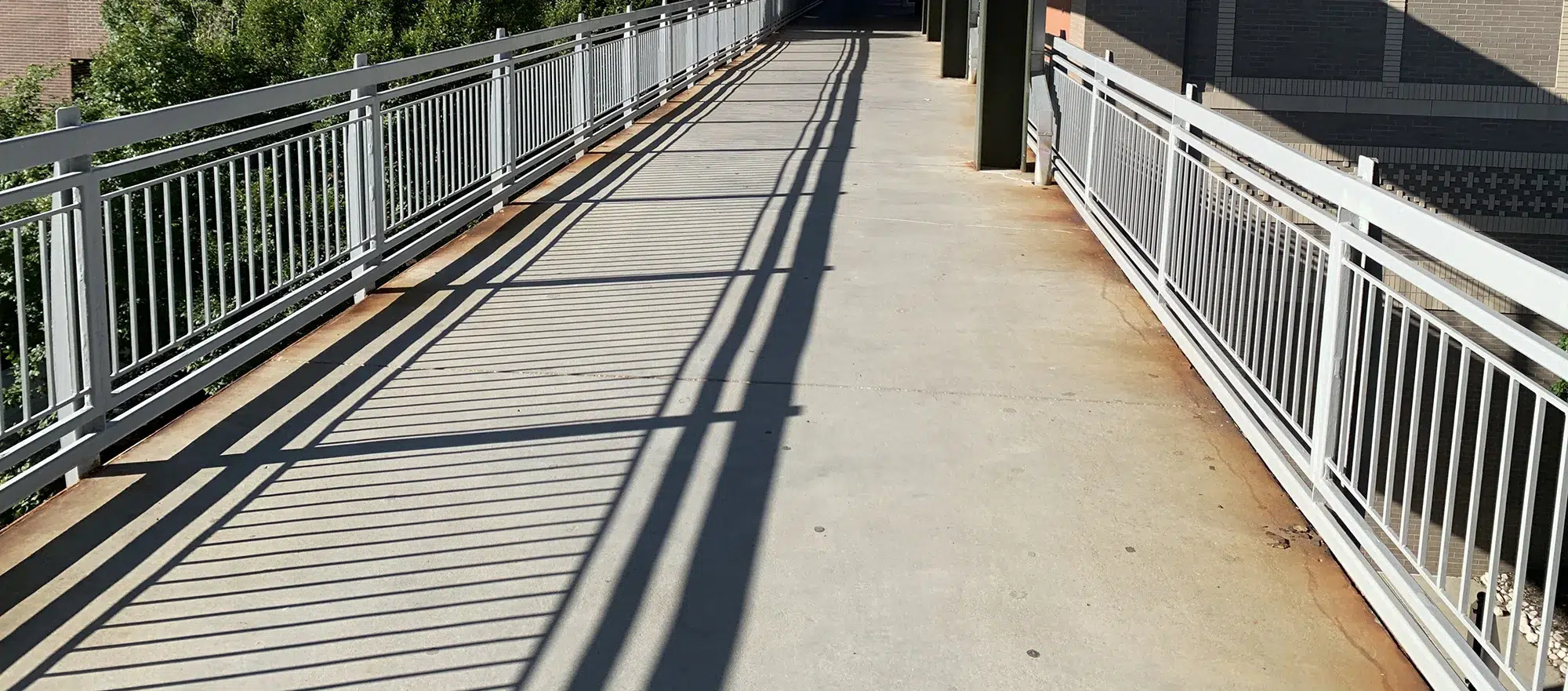
Concrete is naturally porous, which means it absorbs moisture and contaminants over time. As buildup settles into the surface, routine maintenance becomes less effective and deterioration becomes harder to identify.
This problem becomes more noticeable in high-traffic areas such as parking garages, warehouse floors, loading docks, stairwells, and mechanical spaces. Exterior concrete structures also face constant exposure to moisture and pollution, especially in dense urban environments throughout Chicago. Without routine cleaning, contaminants continue breaking down the surface while hiding cracks, spalling, joint failure, and other developing maintenance issues.
PARKING GARAGE CLEANING CHICAGO PROPERTIES REQUIRE
Parking structures experience some of the harshest conditions in commercial facilities. During winter months, vehicles carry large amounts of salt, slush, and moisture directly into garages. As this material accumulates, chlorides begin penetrating the concrete surface and reaching embedded steel reinforcement.
Over time, corrosion develops around rebar and structural steel. This process leads to cracking, surface deterioration, and concrete spalling.
Parking garage cleaning in Chicago helps remove salt buildup, tire residue, oil, dirt, and standing debris before contamination settles deeper into the structure. Cleaning also improves drainage performance by clearing buildup around drains and low spots where moisture collects.
For many facilities, garage cleaning is scheduled seasonally, especially after winter when salt accumulation reaches its highest levels. Regular cleaning also improves visibility during inspections by exposing damage that may otherwise remain hidden beneath debris and staining.
INDUSTRIAL CONCRETE CLEANING CHICAGO FACILITIES USE
Industrial facilities place constant stress on concrete floor systems. Manufacturing equipment, forklifts, pallet traffic, and chemical exposure all contribute to long-term wear.
Over time, industrial floors accumulate layers of contamination that affect maintenance operations and future repair work. Oil, grease, dust, production debris, paint overspray, and chemical residue often become embedded within the surface.
Industrial concrete cleaning in Chicago focuses on removing this buildup while supporting ongoing maintenance and restoration efforts. In many facilities, cleaning becomes the first step before floor coating installations, resurfacing projects, or structural repairs.
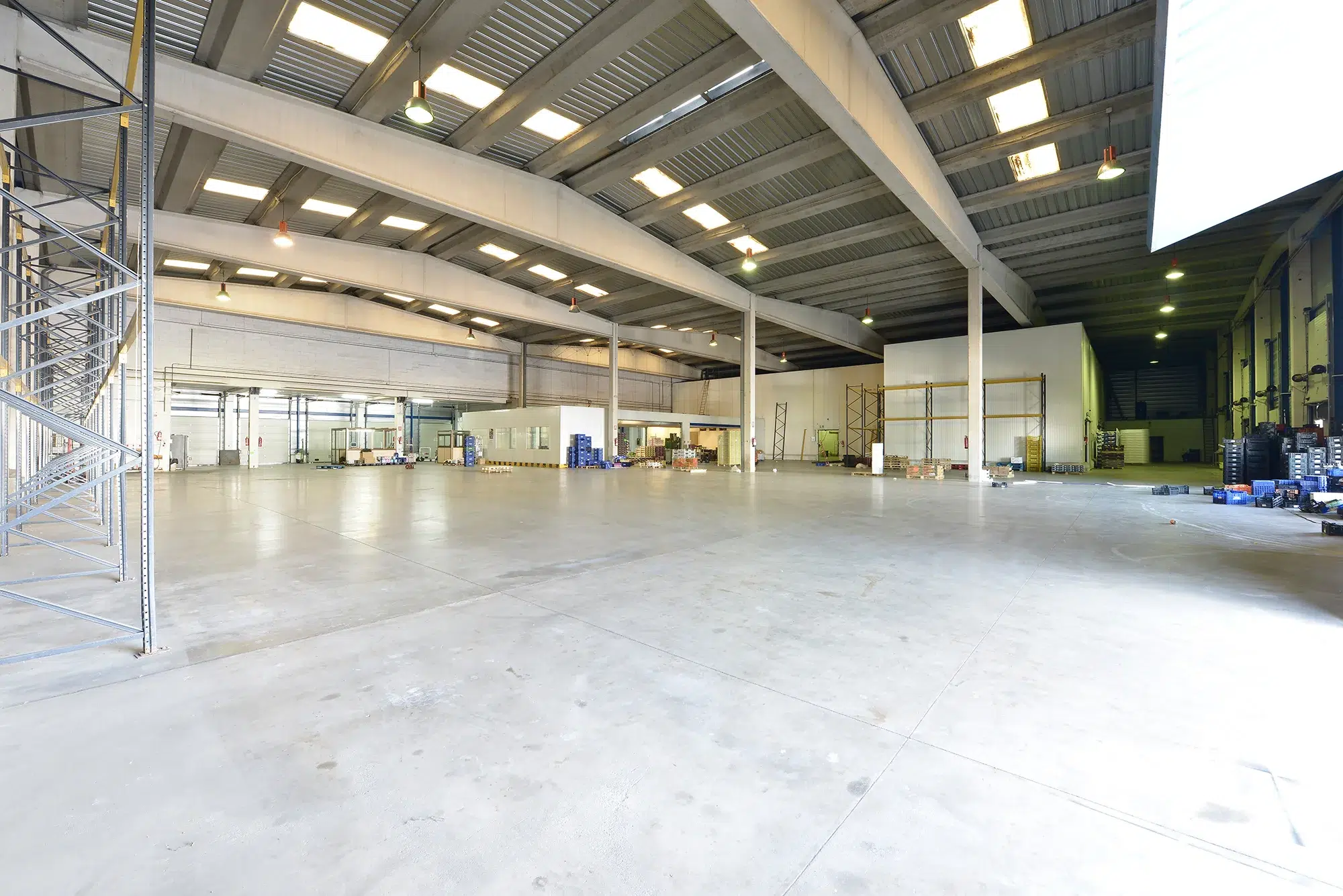
Contaminated concrete creates problems for coatings and repair materials because buildup interferes with adhesion. If contaminants remain trapped within the surface, coating systems often fail early through peeling, blistering, or delamination.
Facilities planning epoxy floors, urethane cement systems, or industrial coatings often require concrete cleaning and surface preparation before work begins.
CONCRETE SURFACE PREP CHICAGO FACILITIES NEED BEFORE REPAIRS AND COATINGS
Concrete cleaning is often tied directly to surface preparation. Before coatings or repair products are applied, the surface needs to be free from contamination that interferes with bonding.
Concrete surface prep in Chicago supports projects involving industrial flooring systems, waterproofing, concrete patching, sealers, and protective coatings. Cleaning removes dirt, oils, chlorides, and embedded debris so the next phase of preparation becomes more effective.
In many environments, cleaning works alongside abrasive blasting, grinding, scarification, or pressure washing to create the proper surface condition for repairs and coatings.
Skipping this step often leads to coating failures and shortened service life. Moisture problems, uneven adhesion, peeling, and premature wear frequently trace back to poor surface preparation.
Chicago facilities face additional challenges because freeze thaw conditions place extra stress on coating systems and repaired surfaces. Proper cleaning and preparation help reduce those risks before restoration work begins.
BUILDING EXTERIOR CONCRETE CLEANING ACROSS CHICAGO
Exterior concrete surfaces collect years of environmental buildup from moisture, pollution, algae, and airborne debris. Over time, this contamination traps moisture against the surface and contributes to deterioration.
Building exterior concrete cleaning helps facilities maintain structural surfaces while supporting inspections and restoration planning. Cleaning also exposes cracks, failing joints, and moisture intrusion areas that become difficult to identify beneath staining and buildup.
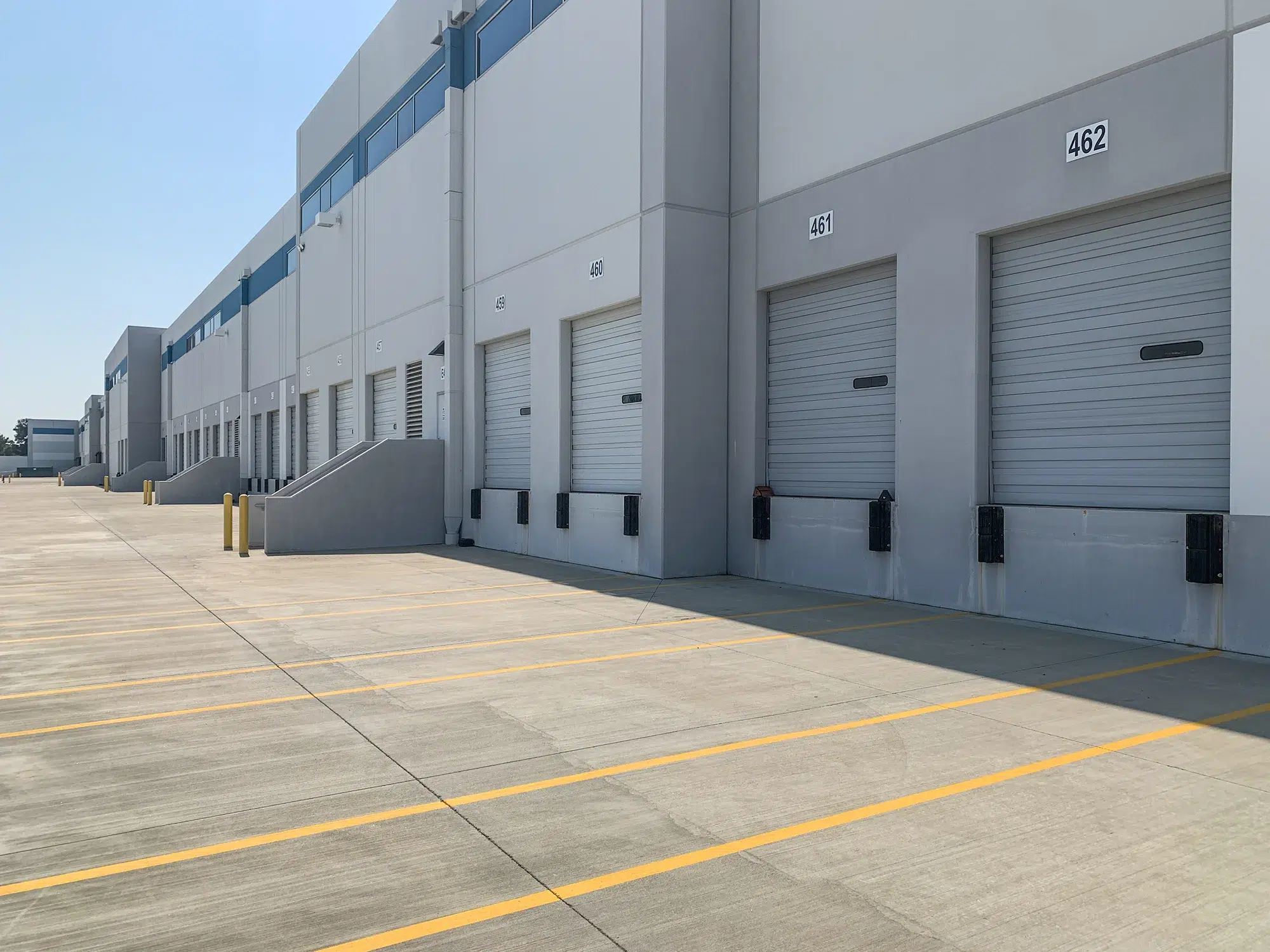
This work is common across parking decks, stair towers, institutional buildings, utility structures, commercial facades, and industrial facilities throughout Chicago.
Because Chicago experiences repeated freeze thaw cycles, trapped moisture becomes a larger concern for exposed concrete. Water expands during freezing temperatures and places additional stress on already worn surfaces. Removing buildup helps reduce moisture retention while improving visibility across aging concrete systems.
CONCRETE CLEANING SUPPORTS RESTORATION PROJECTS
Many Chicago facilities operate within aging concrete structures that require ongoing maintenance and restoration work. Before repairs begin, surfaces need to be cleaned so contractors can properly evaluate conditions and apply repair materials effectively.
Concrete cleaning commonly supports crack repairs, joint replacement, structural patching, waterproofing systems, corrosion mitigation, and coating installations.
Cleaning creates a cleaner working surface while exposing weak areas hidden beneath contamination. For restoration contractors and facility managers, this step improves access to the actual condition of the structure before larger repairs begin.
In facilities with long maintenance cycles, routine cleaning also helps teams identify developing issues earlier, before repairs become more extensive and disruptive.
CHICAGO FACILITIES DEPEND ON CONCRETE HEAVY INFRASTRUCTURE
Chicago’s commercial and industrial infrastructure relies heavily on concrete construction. Parking garages, hospitals, manufacturing plants, universities, warehouses, and municipal facilities all contain large amounts of exposed concrete surfaces that experience constant wear.
Heavy traffic, weather exposure, industrial operations, vibration, and moisture intrusion all contribute to deterioration over time. As buildings age, maintenance programs become more important for managing these surfaces before structural issues grow larger.
Concrete cleaning supports those maintenance programs by removing harmful buildup, improving inspection visibility, and helping facilities prepare for repairs and coatings.
For many Chicago properties, concrete cleaning remains a practical part of protecting parking structures, industrial floors, exterior walls, and structural concrete systems from long-term environmental and operational wear.