
Paint Removal Options for Chicago Building Surfaces
Chicago buildings include a wide range of materials, construction eras, and coating histories. Many structures carry multiple paint layers applied across decades. Property managers, contractors, and facility teams review paint removal during façade restoration, maintenance planning, or coating failure.
Paint removal work in Chicago changes based on the surface beneath the paint. Masonry, concrete, steel, and decorative architectural elements respond in different ways during coating removal. The removal approach must match the substrate. When the process fits the material, crews remove paint while limiting surface damage.
WHY DOES SURFACE TYPE CHANGE PAINT REMOVAL STRATEGY?
Paint bonds to surfaces through different mechanisms. Porous materials absorb coatings. Smooth metal surfaces hold paint through adhesion and mechanical grip. Decorative surfaces contain edges and grooves where paint accumulates.
Each material reacts differently during removal. Abrasive media strips coatings quickly from steel yet erodes soft masonry. Chemical stripping removes coatings from detailed trim yet introduces rinse management around porous materials.
Chicago buildings often combine several substrates within a single façade. Brick walls appear beside limestone trim, steel railings, and concrete lintels. Building paint removal Chicago projects often divide work by surface rather than treat the entire structure as one material.
Three factors guide planning.
-
The type of substrate beneath the coating
-
The thickness of the paint system
-
The condition of the material beneath the paint
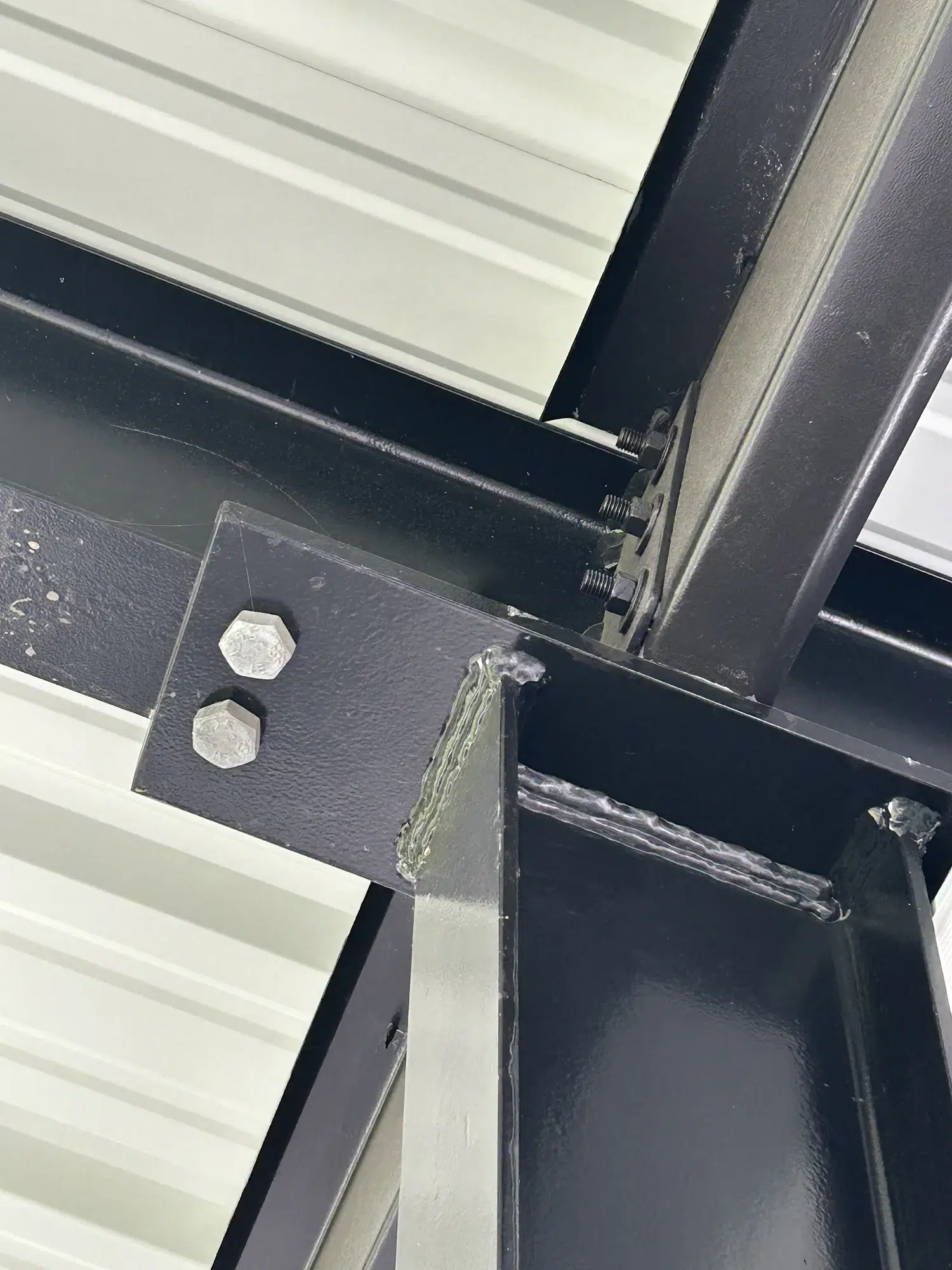
HOW DOES MASONRY PAINT REMOVAL WORK ON CHICAGO BUILDINGS?
Masonry paint removal Chicago projects often focus on brick, limestone, or historic masonry block. These materials contain pores that absorb moisture and coatings. Paint settles inside these pores rather than resting only on the outer surface.
Aggressive abrasive blasting strips paint quickly yet also removes the outer fired layer of brick. This outer layer protects the masonry from moisture penetration. For this reason, many removal plans begin with lower-impact media or chemical stripping.
Older Chicago masonry buildings often contain lime mortar joints. Lime mortar holds lower compressive strength compared with modern cement mortar. Media selection must avoid widening joints or removing mortar.
Soda blasting paint removal Chicago projects sometimes appear on masonry surfaces with paint sitting closer to the exterior surface. Soda media fractures on impact and breaks paint bonds without heavy cutting. Operators still monitor pressure and distance from the surface.
Chemical stripping also appears in masonry restoration work. Crews apply stripping compounds and allow dwell time so the coating softens before removal. This process often appears on painted masonry where preservation guidelines restrict abrasion. Historic districts in Chicago often require review before masonry paint removal begins. The review process evaluates cleaning methods and expected surface change.
WHAT MAKES CONCRETE PAINT REMOVAL DIFFERENT?
Concrete surfaces appear across parking garages, industrial facilities, and commercial structures throughout Chicago. These surfaces often carry coatings used for marking, corrosion resistance, or chemical protection.
Concrete paint removal differs from masonry removal in several ways.
Concrete surfaces contain a dense cement paste layer. Abrasive media removes coatings yet also alters surface texture. The removal path must consider the surface profile required before recoating.
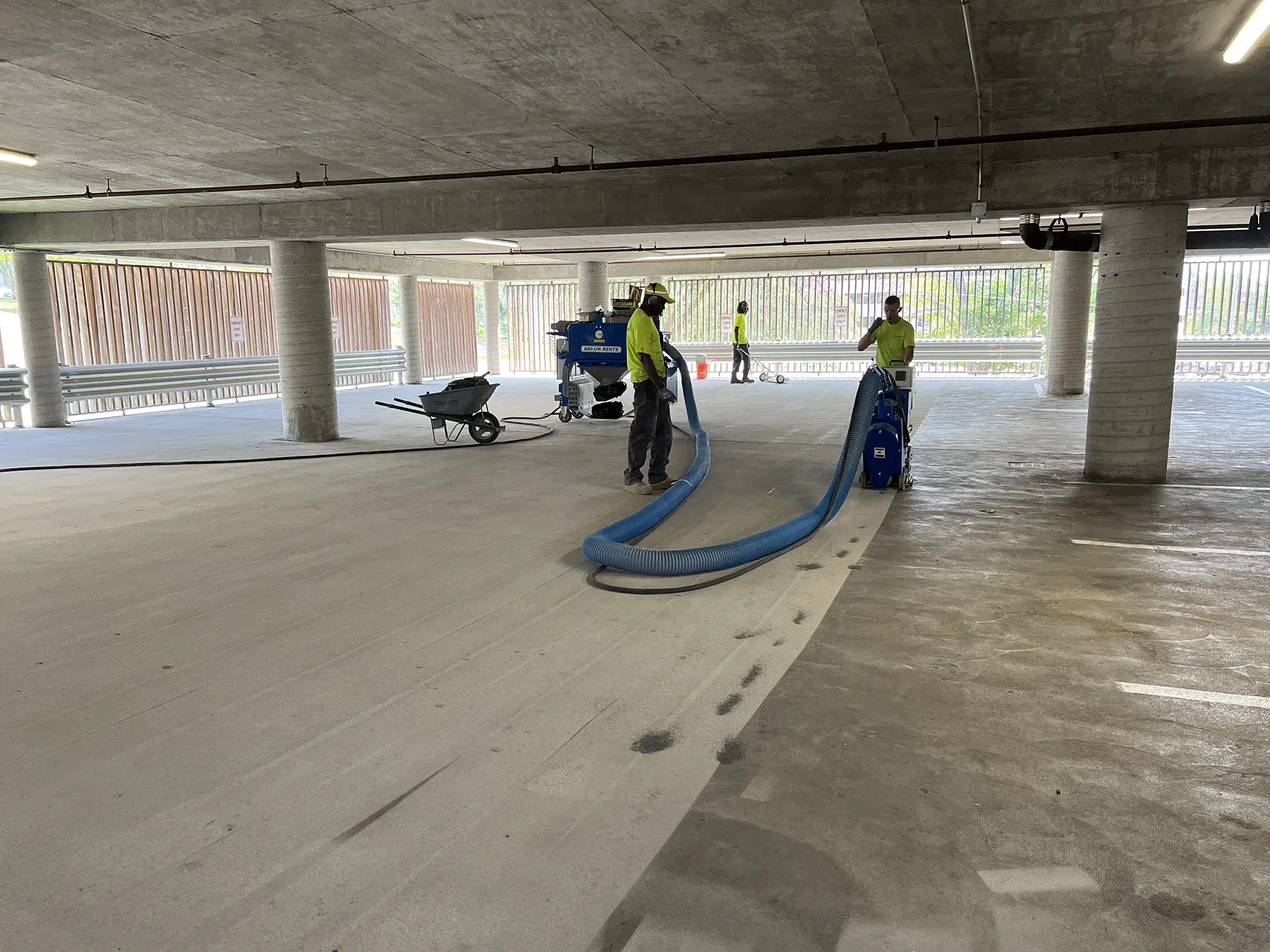
Industrial paint stripping Chicago projects often involve epoxy or urethane coatings applied to concrete floors and walls. These coatings resist abrasion and chemical exposure. Removal often requires media with enough impact energy to break the bond between coating and concrete.
Common approaches include abrasive blasting or mechanical grinding. Blasting works well on vertical concrete surfaces or large exterior walls. Grinding often appears on interior floors.
Older Chicago structures sometimes contain multiple repair patches within concrete surfaces. Each patch reacts differently during coating removal. Operators monitor the surface profile during the removal process.
HOW DOES INDUSTRIAL PAINT STRIPPING WORK ON STEEL STRUCTURES?
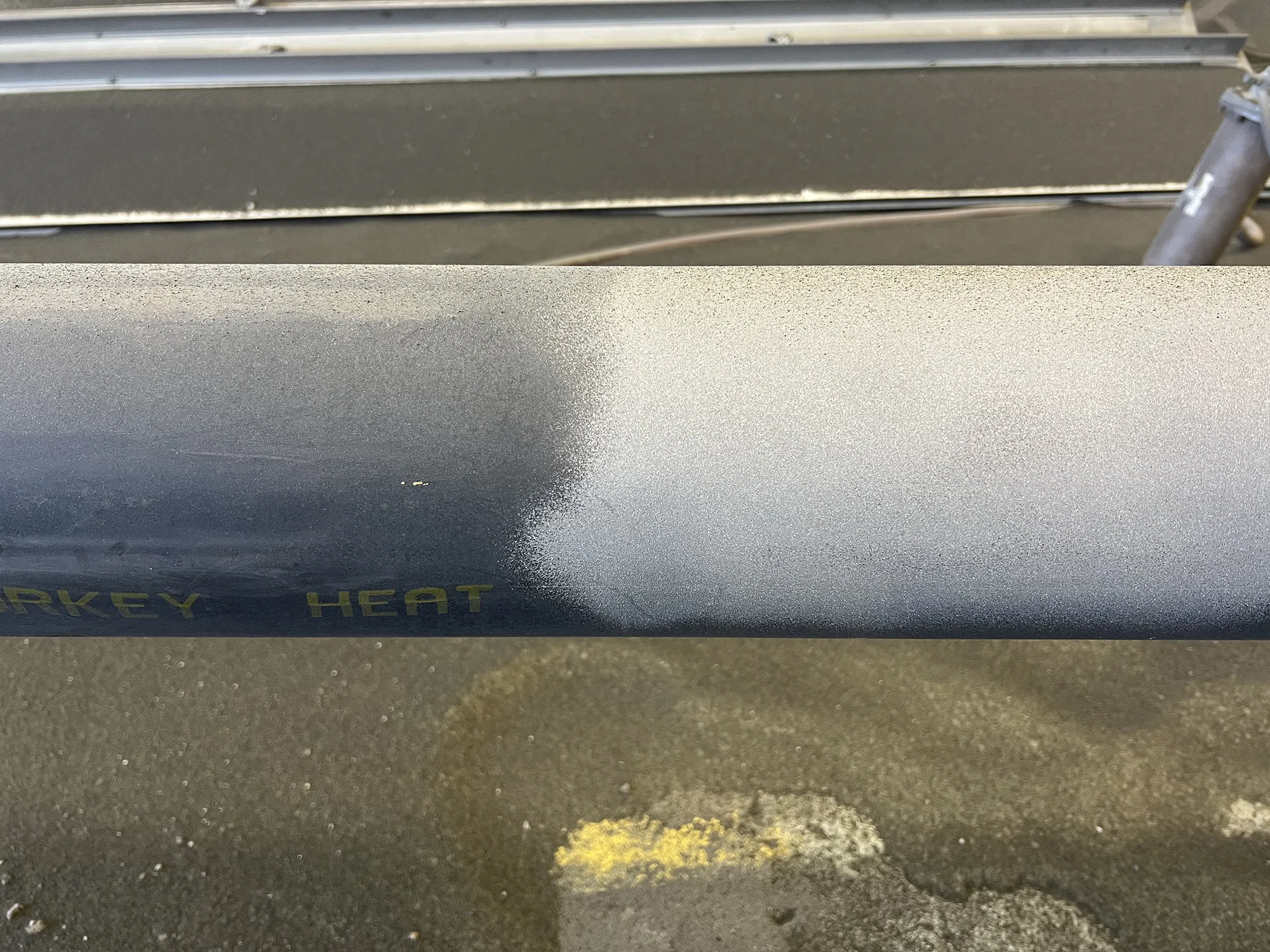
Steel surfaces appear across bridges, rail infrastructure, industrial plants, and structural frames in Chicago. Paint systems on steel serve corrosion protection rather than decoration.
Industrial paint stripping Chicago projects often remove coatings before new protective systems go in place. Removal exposes bare steel so inspectors evaluate corrosion and structural condition.
Abrasive blasting often appears on steel because the surface tolerates higher impact energy compared with masonry or wood. Harder media removes coatings, rust layers, and mill scale.
Media selection still shapes the outcome. Angular abrasives cut coatings and create a sharp surface profile. Rounded media removes coatings with lower cutting action. The final surface profile affects how new coatings bond to the steel.
Chicago steel structures often hold several coating layers from previous maintenance cycles. Older structures sometimes include lead-based coatings. Removal planning includes containment planning when these coatings appear.
Paint removal services Chicago teams often coordinate with coating inspectors during steel preparation. Inspectors measure surface cleanliness and profile before repainting begins.
HOW ARE ARCHITECTURAL DETAILS HANDLED DURING PAINT REMOVAL?
Architectural elements introduce another layer of complexity. Decorative stone, cast iron features, window trim, and ornamental metal often appear on older Chicago buildings.
These surfaces contain grooves, carvings, and edges where paint accumulates. High-pressure abrasive blasting risks rounding these edges or removing decorative definition.
Chemical stripping or low pressure media blasting often appears in these situations. These approaches soften paint layers or break the coating bond while limiting surface erosion.
Cast iron railings and decorative metal pieces often hold corrosion beneath paint layers. Removal teams strip coatings while preserving the original metal shape.
Historic restoration work across Chicago often uses smaller blasting systems or localized stripping techniques to reach these areas.
WHY DOES MEDIA CHOICE MATTER IN PAINT REMOVAL?
Media selection influences how paint separates from the substrate.
Soda blasting paint removal Chicago crews use sodium bicarbonate media. This media shatters during impact and disrupts paint adhesion with limited cutting action. The process works on surfaces where erosion must remain low.
Hard abrasives such as garnet or crushed glass remove coatings through cutting action. These media types appear on steel and concrete surfaces where the material tolerates higher impact energy.
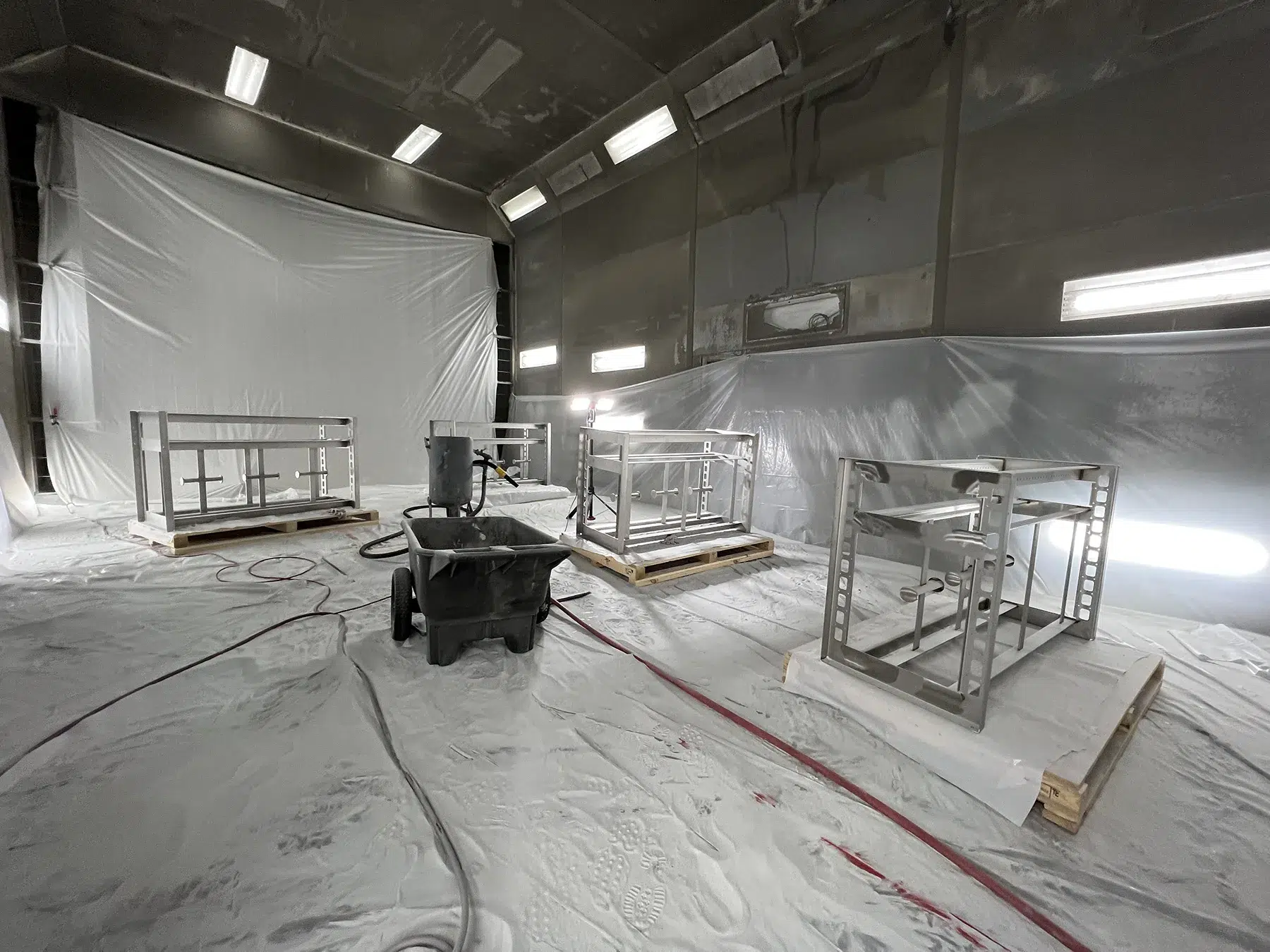
Organic media such as walnut shell appear on wood or softer materials. These media remove coatings while limiting abrasion.
Chemical stripping works through another path. The compound softens coatings so crews remove the paint through rinsing or scraping.
Matching media to the substrate reduces surface damage and limits rework. Media selection also affects containment planning, cleanup requirements, and waste handling.
HOW DOES BUILDING AGE AFFECT PAINT REMOVAL IN CHICAGO?
Chicago buildings often contain long coating histories. A structure built in the early twentieth century often carries several paint systems applied during maintenance cycles.
Older coatings sometimes include lead pigments or regulated materials. Removal teams often perform coating tests before work begins.
Layer thickness also affects removal strategy. Thin modern coatings release quickly during blasting. Thick paint systems built up across decades require slower removal to reach the base layer.
Historic buildings sometimes require partial paint removal instead of full stripping. Crews remove failing coatings while leaving stable layers intact.
Building age also influences substrate condition. Masonry surfaces weather over time. Steel surfaces develop corrosion beneath paint layers. Removal teams adjust pressure levels and media flow once the substrate becomes visible.
WHAT QUESTIONS HELP PLAN A PAINT REMOVAL PROJECT?
Owners and project managers often begin paint removal planning with a few key questions.
- What material sits beneath the paint?
- How thick the coating system appears
- What condition the surface holds beneath the coating.
Paint removal services Chicago teams often begin with surface inspection and coating sampling. This early review helps estimate removal time, containment requirements, and surface repair needs.
Some projects include test areas before full removal begins. Test patches reveal how coatings respond to different removal approaches.
During removal work crews often adjust pressure levels, media flow, or stripping compounds. These adjustments maintain the balance between coating removal and surface preservation.
PAINT REMOVAL AS PART OF BUILDING MAINTENANCE
Paint removal forms one stage within building maintenance. Owners remove coatings before structural inspection, masonry restoration, or new protective coating systems.
Across Chicago, building paint removal Chicago projects appear in many contexts. Historic restoration, infrastructure maintenance, industrial plant upkeep, and commercial façade renovation all require coating removal at different stages.
The process rarely follows one universal approach. Masonry, concrete, steel, and architectural surfaces each require an approach shaped by the substrate beneath the paint.
Understanding these differences helps property owners and contractors approach paint removal with clearer expectations. When removal planning begins with the surface beneath the coating, the process protects the building while clearing the paint above it.
WHY BLAST IT CLEAN IS A TRUSTED PARTNER FOR PAINT REMOVAL IN CHICAGO
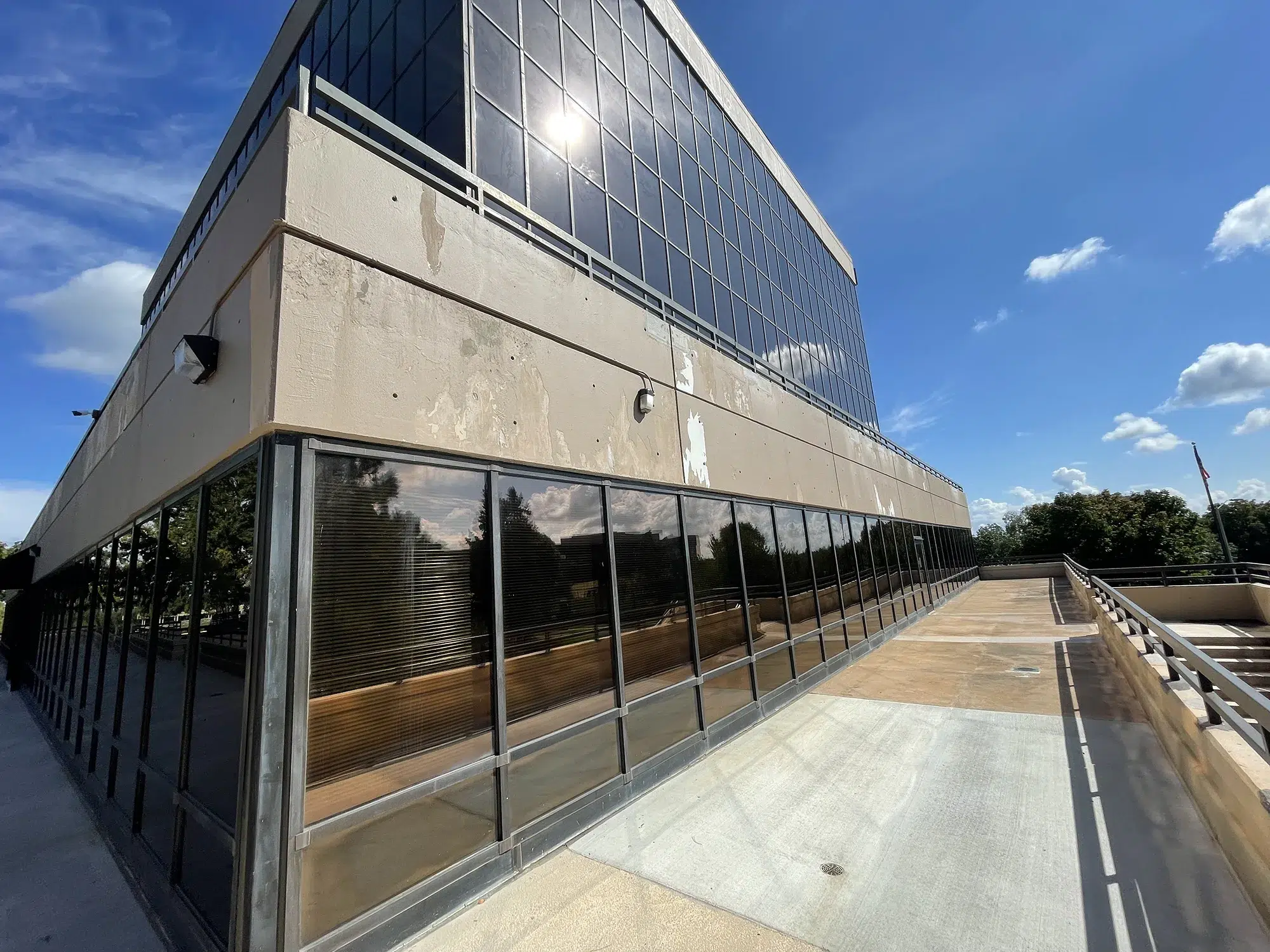
Paint removal projects require more than equipment. The process begins with a close look at the building surface, the coating layers, and the condition of the structure. Different substrates require different approaches. Brick responds differently than limestone. Steel preparation differs from concrete stripping. A clear understanding of these differences guides our work.
At Blast It Clean, we provide paint removal services Chicago property owners use across commercial, industrial, and infrastructure projects. Our team begins each project by reviewing the substrate, the coating system, and the building age. This evaluation shapes the removal approach and media selection.
We perform building paint removal Chicago projects across a wide range of surfaces. Our work includes masonry paint removal Chicago restoration, industrial paint stripping Chicago for steel structures, and soda blasting paint removal Chicago projects where lower impact media fits the surface condition. Each project begins with the same objective. Remove coatings while preserving the material beneath.
Chicago buildings present many variables. Structures include mixed materials, historic architectural elements, and coatings applied across decades of maintenance cycles. Our crews approach each project by matching the removal approach to the substrate. This process helps property owners move forward with restoration, inspection, or recoating once the paint layers leave the surface.
Property owners planning paint removal often start with a surface review and a conversation about the building history. We examine the coating system, evaluate the substrate condition, and discuss the goals for the project. This early review helps define the next steps. Once the removal path is clear, paint removal becomes the first stage in restoring and maintaining Chicago building surfaces.