Why Rust Removal Matters in Heavy Midwestern Weather
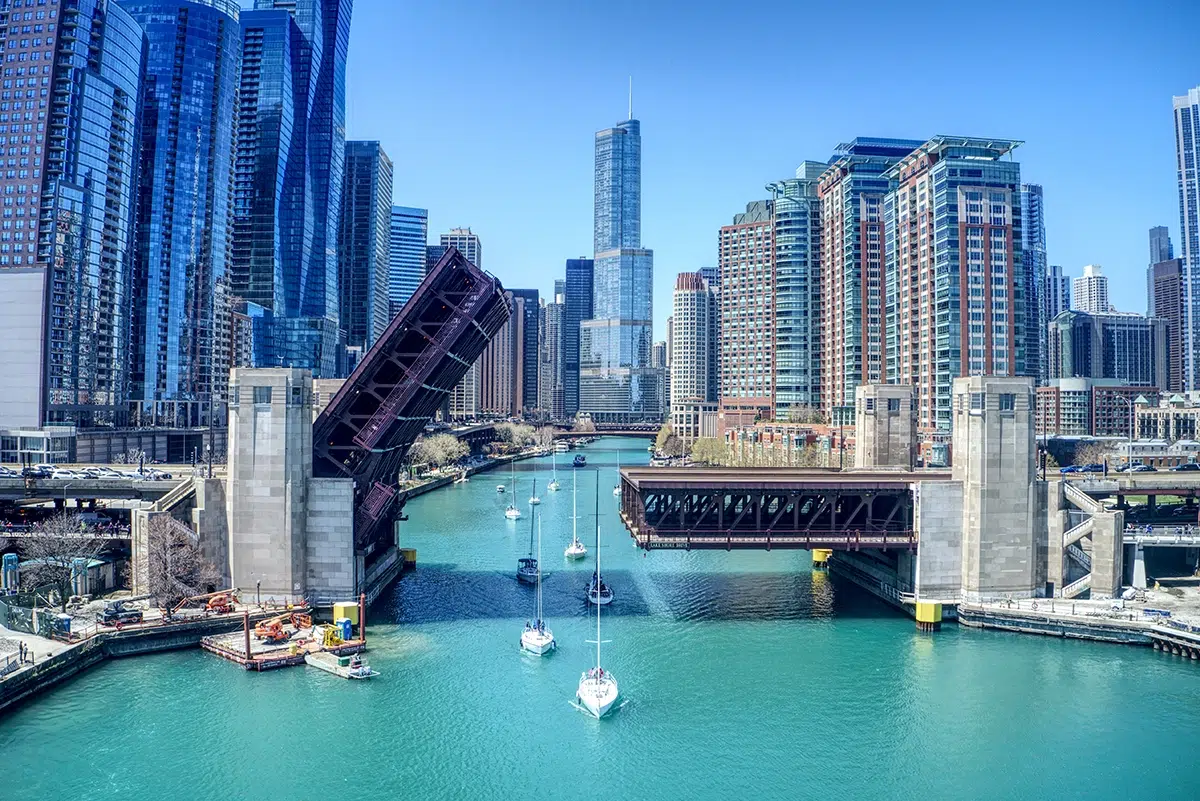
Chicago sits in a climate that puts steel to the test year-round. You deal with humidity in the summer, freezing temperatures in the winter, and constant swings in between. Each of these conditions feeds corrosion.
Moisture starts the process. Steel exposed to water and oxygen begins to oxidize, and in Chicago, surfaces rarely stay dry long enough to slow it down. Even short periods of exposure add up over time. Freeze-thaw cycles make the problem worse. Water seeps into small pits and imperfections in the steel. When temperatures drop, that water expands and breaks the surface layer. When temperatures rise, the cycle repeats. Each cycle exposes more raw metal.
Salt accelerates everything. Road salts spread beyond roads through air, runoff, and contact with equipment. Salt keeps surfaces wet longer and speeds up the chemical reaction that causes rust. This creates a continuous exposure pattern where corrosion never fully pauses.
RUST IS NOT JUST SURFACE LEVEL
Rust often looks like a surface issue, but the damage goes deeper. Corrosion eats into the base metal, reducing thickness and weakening structural integrity. Over time, this shows up in structural frames, tanks, piping, platforms, and heavy equipment. What starts as discoloration turns into pitting, scaling, and material loss.
Rust also spreads in places you do not see right away. It moves under coatings, along seams, and inside joints. By the time it becomes obvious, the damage has often progressed beyond the surface.
This is why rust removal in Chicago needs to focus on full corrosion removal, not surface cleaning.
CHICAGO INFRASTRUCTURE FACES CONSTANT EXPOSURE
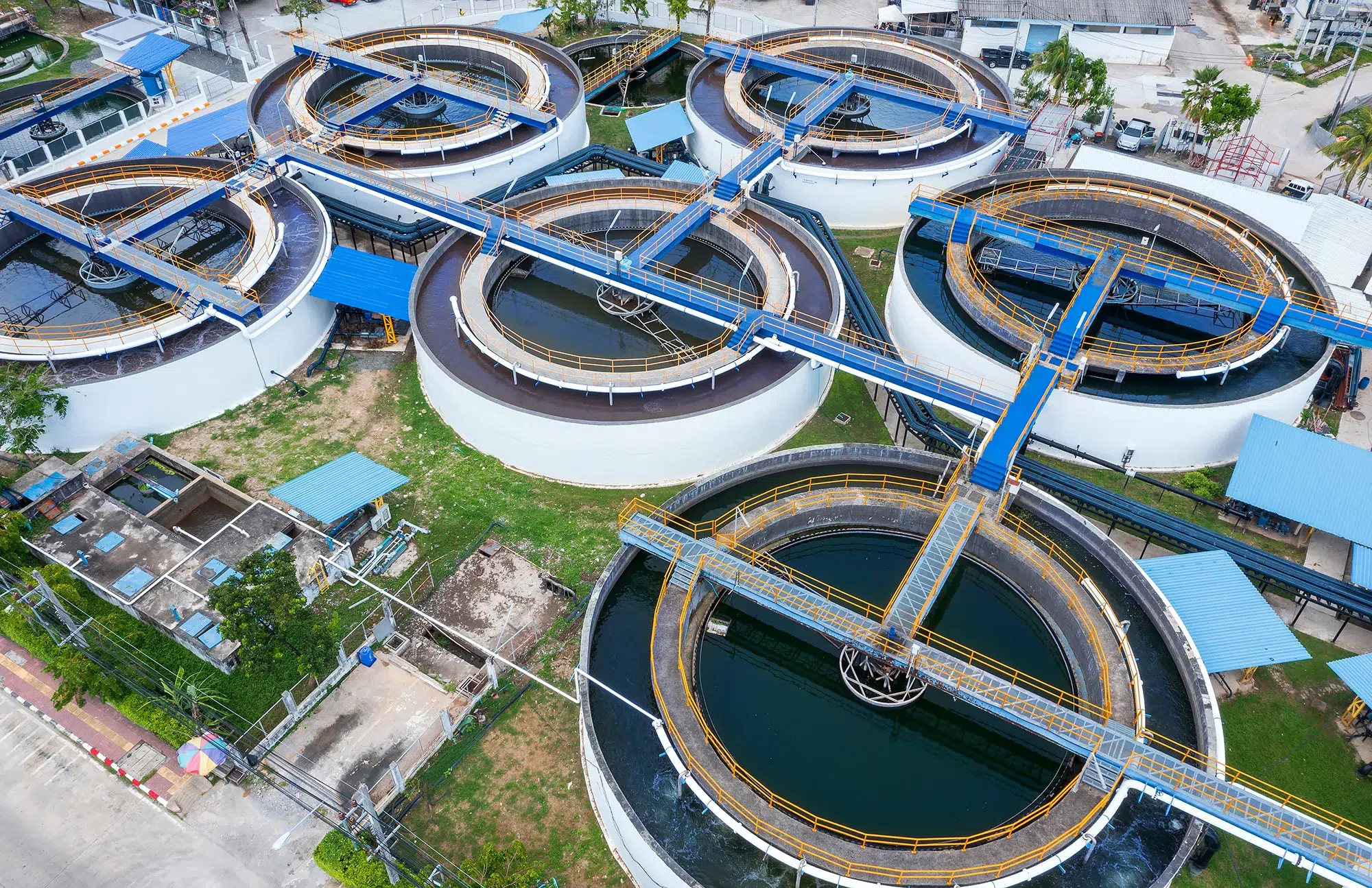
Industrial and commercial assets in Chicago face repeated exposure to harsh conditions. Equipment stored outdoors, facilities near salted roadways, and environments with constant moisture all contribute to ongoing corrosion.
Water treatment plants, manufacturing facilities, and transportation infrastructure deal with a mix of humidity, chemical exposure, and temperature swings. These conditions work together to accelerate corrosion at different rates across the same structure.
Industrial rust removal in the Midwest focuses on breaking this cycle before it leads to structural or operational issues.
RUST REMOVAL SUPPORTS INSPECTIONS AND REPAIRS
Rust hides what matters most. It covers cracks, weak points, and surface damage, making it harder to assess the true condition of steel. Before any inspection, corrosion needs to be removed. A clean surface allows you to see defects clearly and make accurate decisions about repairs and maintenance. Without proper corrosion removal in Chicago, inspections rely on incomplete information.
The same applies to repairs. Welding and reinforcement require clean, stable surfaces. Corroded steel does not provide a reliable base, which leads to repairs that fail sooner than expected. Rust removal is a necessary step before both inspection and repair work.
COATINGS ONLY WORK ON PROPERLY PREPARED STEEL
Protective coatings play a key role in slowing corrosion, but they depend on proper surface preparation. Applying coatings over rust creates problems instead of solving them.
If corrosion remains, coatings trap moisture and contaminants against the steel. This leads to blistering, peeling, and early coating failure.
Steel surface prep in Chicago involves removing rust, cleaning off salts and residues, and creating a surface profile that allows coatings to bond. When this step is done correctly, coatings last longer and perform as intended. Rust does not stay contained. It spreads across surfaces and moves deeper into the material.
A small area of corrosion can expand into a much larger problem if left untreated. As the damage grows, it requires more aggressive removal methods and more extensive repairs.
Waiting increases material loss, expands the affected area, and often leads to longer downtime. Corrosion removal in Chicago works best when it is handled early, before the scope of work grows.
MIDWEST CONDITIONS REQUIRE ONGOING MAINTENANCE
One round of rust removal does not stop corrosion in a Midwest climate. The same conditions that caused it in the first place remain. A realistic approach includes regular inspections, routine rust removal, and reapplication of protective coatings. High-exposure areas need closer attention because they tend to corrode faster. This creates a repeatable maintenance cycle instead of a reactive approach. Facilities that follow this pattern tend to see longer asset life and fewer unexpected failures.
In many Chicago facilities, weather is only part of the equation. Industrial processes introduce additional stress through chemicals, humidity, abrasion, and temperature changes. These factors speed up corrosion and change how it forms on different surfaces. In these environments, rust can develop faster and spread in less predictable ways.
Industrial rust removal in the Midwest needs to account for these conditions to be effective.
CHOOSING THE RIGHT RUST REMOVAL METHOD MATTERS
Rust removal methods vary based on the level of corrosion and the condition of the surface. The goal is not only to remove rust but also to leave the steel ready for the next step, whether that is repair or coating.
Abrasive blasting is often used for larger areas and heavier corrosion because it removes buildup and creates the surface profile needed for coatings. Other methods may be used for more controlled or smaller-scale work. Steel surface prep in Chicago often relies on methods that deliver consistent, thorough results across large industrial assets.
Rust is easy to spot. It changes the color and texture of steel, making it one of the most visible signs of deterioration. This visibility often drives maintenance decisions. The challenge is that visible rust usually means corrosion has already advanced beyond the early stages. Using rust as an early signal helps shift maintenance from reactive to planned. Addressing it sooner keeps the problem smaller and easier to manage.
HOW BLAST IT CLEAN SUPPORTS RUST REMOVAL IN CHICAGO
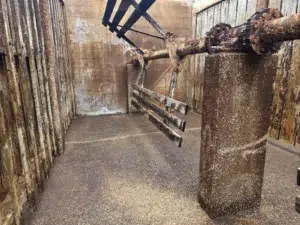 Rust removal plays a direct role in inspections, repairs, and coating performance. It supports the larger goal of protecting steel assets in a climate that works against them every day.
Blast It Clean provides rust removal Chicago services built for Midwest conditions. The team focuses on thorough corrosion removal, proper surface preparation, and readiness for coatings and repairs. Their work helps you see the true condition of your assets, complete repairs on solid surfaces, and apply coatings that last.
If your equipment or structures face constant exposure to moisture, salt, and temperature swings, rust remediation Chicago should be part of your regular maintenance plan. Blast It Clean helps you stay ahead of corrosion so your assets stay in service longer and perform as expected.