Why Should You Prep Marine Equipment Before Winter Storage?
When the marine season starts winding down around Chicago and the Great Lakes, attention shifts toward getting vessels, equipment, and components out of service and into storage. Winterization often focuses on engines, fluids, batteries, plumbing, and other mechanical systems.
The condition of the equipment’s surfaces deserves a spot on the winter checklist, too.
Marine equipment spends months exposed to water, moisture, salts, sediment, biological growth, fuels, oils, and other contaminants. Putting those surfaces into storage without cleaning and surface prep gives corrosion and existing coating problems months to develop unnoticed.
Marine equipment surface prep in Chicago gives owners and operators a chance to address those conditions before equipment sits dormant. Blasting and industrial cleaning remove accumulated material, expose areas needing attention, and leave equipment better positioned for storage and its eventual return to service.
WHAT HAPPENS TO MARINE EQUIPMENT DURING A GREAT LAKES WINTER?
Chicago winters introduce a tough combination of cold temperatures, moisture, snow, ice, and repeated freeze-thaw cycles.
Equipment in outdoor or partially protected storage remains exposed to changing environmental conditions. Equipment stored indoors is protected from direct snow and ice, but existing moisture and contaminants still remain a concern.
Corrosion does not require equipment to be actively operating.

Once marine equipment enters storage, owners also have fewer opportunities to spot developing rust, coating failures, trapped buildup, or other surface issues. A minor problem at the end of the operating season might become a larger maintenance project by spring.
Great Lakes winter prep should start with a simple question: What condition do you want this equipment to be in when it comes back out of storage?
WHY CLEAN MARINE EQUIPMENT BEFORE PUTTING IT INTO STORAGE?
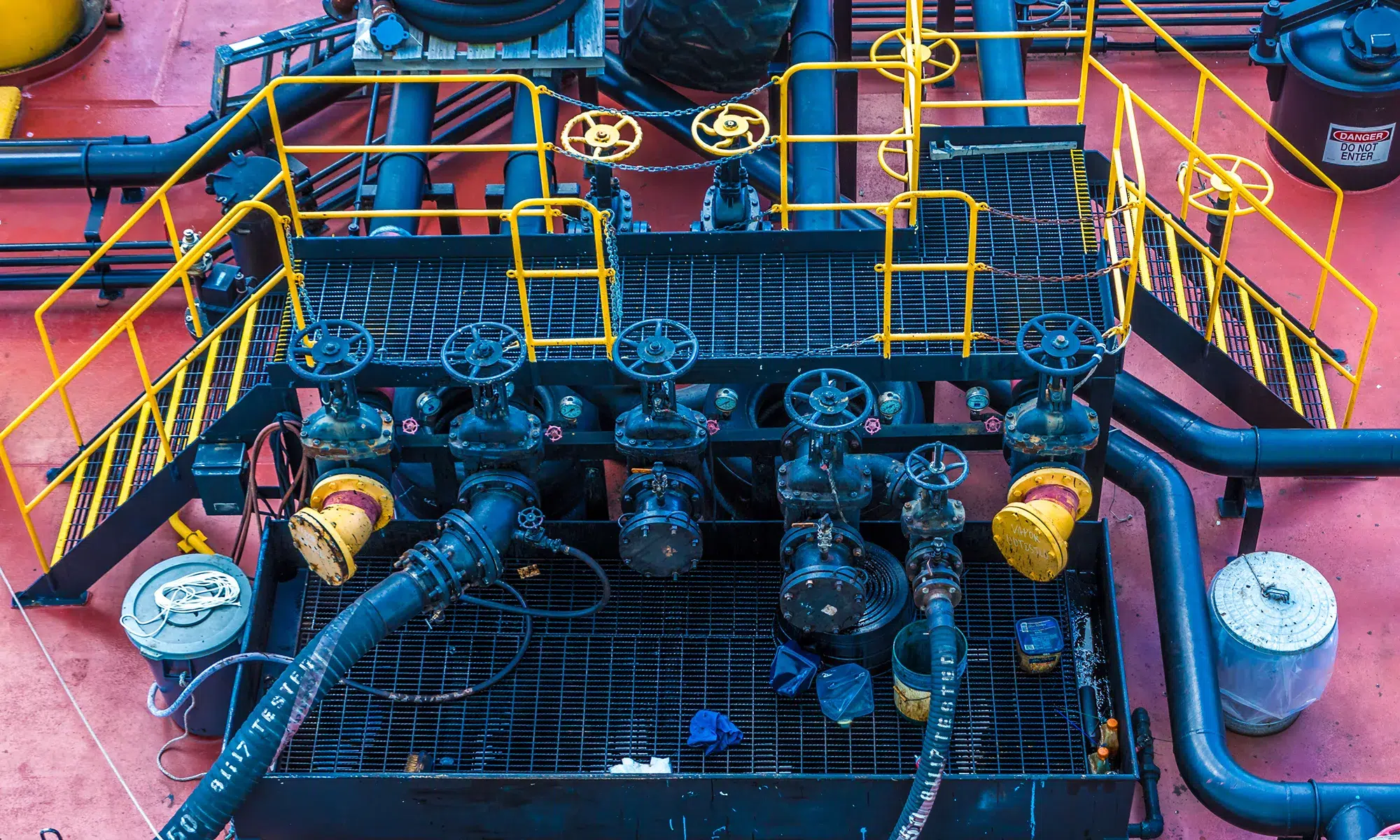
Think about everything a vessel or piece of marine equipment picks up during an operating season.
Sediment, marine growth, oils, grease, old coating material, rust, and other contaminants accumulate on exposed surfaces. If equipment goes directly from service into storage, much of this material goes with it.
Cleaning before storage gives your maintenance team a clearer picture of the substrate underneath.
It also helps identify areas where corrosion has started, coatings have deteriorated, or maintenance needs to be scheduled.
Instead of discovering those conditions while crews are trying to put equipment back into service, you get the opportunity to address them during the slower winter period.
For winter marine maintenance in Chicago, this shift in timing matters. Work completed before or during storage means fewer surprises when the next operating season arrives.
HOW DOES BLASTING HELP BEFORE WINTER STORAGE?
Ship blasting before storage removes material you do not want sitting on the surface for months.
Depending on the equipment, substrate, coating system, and condition, abrasive blasting removes rust, failed coatings, scale, and other buildup. It also creates a prepared surface for a new coating system when recoating is part of the maintenance plan.
Blasting provides another benefit before storage. It exposes what is happening beneath old coatings and accumulated material.
Rust staining on the surface might look minor until loose coating is removed. An aging coating might appear intact from a distance while hiding deterioration underneath. Removing compromised material gives owners a better opportunity to evaluate what needs attention.
The goal is to enter winter knowing the condition of your equipment rather than waiting until spring to find out.
WHAT TYPES OF MARINE EQUIPMENT SHOULD BE INSPECTED BEFORE WINTER?
 Corrosion prep for marine equipment applies to more than vessels.
Before storage, inspect exposed steel and coated surfaces across your marine operation. Depending on your facility and equipment, this might include barges, workboats, dock components, structural steel, tanks, marine machinery, trailers, pumps, piping, access platforms, ladders, railings, and removable components.
Pay extra attention to areas where water and debris collect.
Corners, seams, joints, supports, horizontal surfaces, and difficult-to-access areas often hold moisture or buildup longer than open surfaces. Existing coating damage also deserves attention because exposed substrate has less protection during storage.
The inspection does not need to become a major project. Its purpose is to identify which equipment needs cleaning, blasting, coating work, or further evaluation before winter.
SHOULD YOU BLAST AND RECOAT MARINE EQUIPMENT BEFORE STORAGE?
 It depends on the condition of the surface and your maintenance plan.
Some equipment needs cleaning before storage. Other equipment has enough corrosion or coating deterioration to make abrasive blasting and recoating the better path.
If a coating system is already failing, waiting through another Chicago winter rarely makes spring maintenance simpler.
Completing surface prep before storage gives you time to remove deteriorated material and address exposed surfaces before the equipment sits for an extended period.
It also creates a more predictable maintenance schedule.
Rather than scheduling blasting and coating when the equipment is needed for operations, you address the work while the equipment is already offline.
WHY IS FALL A GOOD TIME FOR MARINE SURFACE PREP?
Fall provides a natural maintenance window.
Your equipment is already approaching its seasonal shutdown, which makes it easier to coordinate cleaning, inspections, blasting, repairs, and coating work around planned downtime.
Waiting until spring changes the equation.
Now the maintenance work competes with launch schedules, crew availability, project deadlines, customer needs, and the pressure to return equipment to service.
Planning marine equipment surface prep in Chicago before winter lets you separate maintenance from startup.
That does not mean every piece of equipment needs to be blasted immediately after it leaves the water. It means fall is the time to evaluate condition, identify priorities, and schedule the work before spring demand returns.
WHAT SHOULD BE ON YOUR MARINE EQUIPMENT WINTER PREP CHECKLIST?
Before equipment settles into winter storage, walk through a few surface-related questions.
- Has the equipment been thoroughly cleaned?
- Are rust, scale, sediment, marine growth, oils, or other contaminants present?
- Are coatings peeling, cracking, blistering, or separating from the substrate?
- Are there exposed metal areas where a coating has failed?
- Are seams, joints, corners, and low areas holding moisture or debris?
- Does existing buildup make it difficult to evaluate the underlying surface?
- Does the equipment need abrasive blasting before storage?
- Will recoating now reduce work needed before spring startup?
- Is there enough time in the winter maintenance schedule to complete the work without interfering with operations?
- Has surface maintenance been scheduled before spring demand increases?
If several of these questions raise concerns, surface prep belongs on your winter maintenance schedule.
HOW DOES WINTER PREP MAKE SPRING STARTUP EASIER?
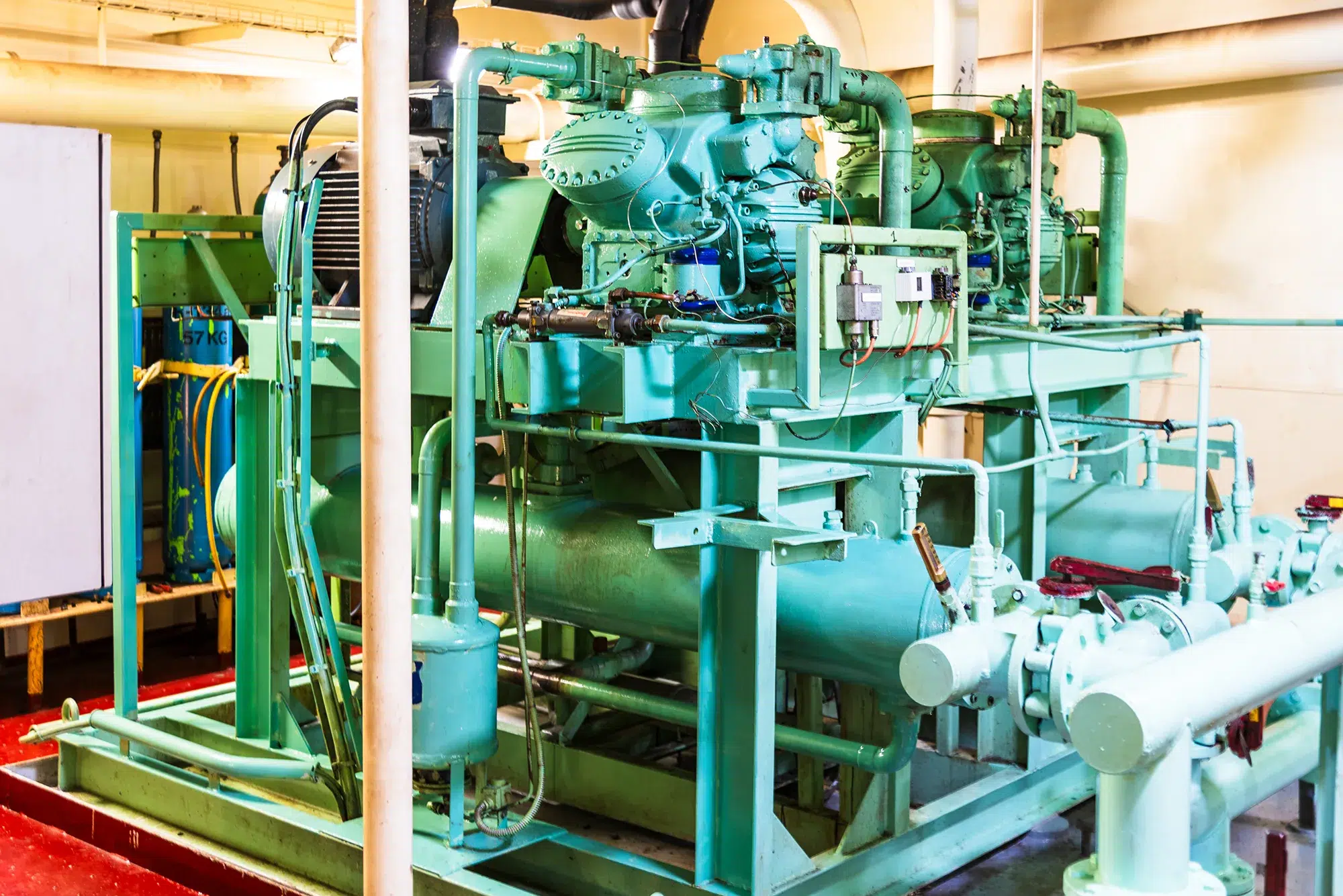 Spring is easier when you already know what condition your equipment is in.
Equipment stored with untreated corrosion, failed coatings, and heavy buildup eventually needs attention. If you wait until spring to uncover those problems, maintenance starts competing directly with operations.
Cleaning and blasting before storage move part of that work into a planned maintenance period.
Your team gets a better understanding of equipment condition. Needed coating work gets identified earlier. Maintenance budgets become easier to plan. Equipment enters spring with fewer unknowns.
For marine operators around Chicago and the Great Lakes, this approach keeps winter maintenance focused on readiness.
WHEN SHOULD YOU SCHEDULE MARINE EQUIPMENT SURFACE PREP IN CHICAGO?
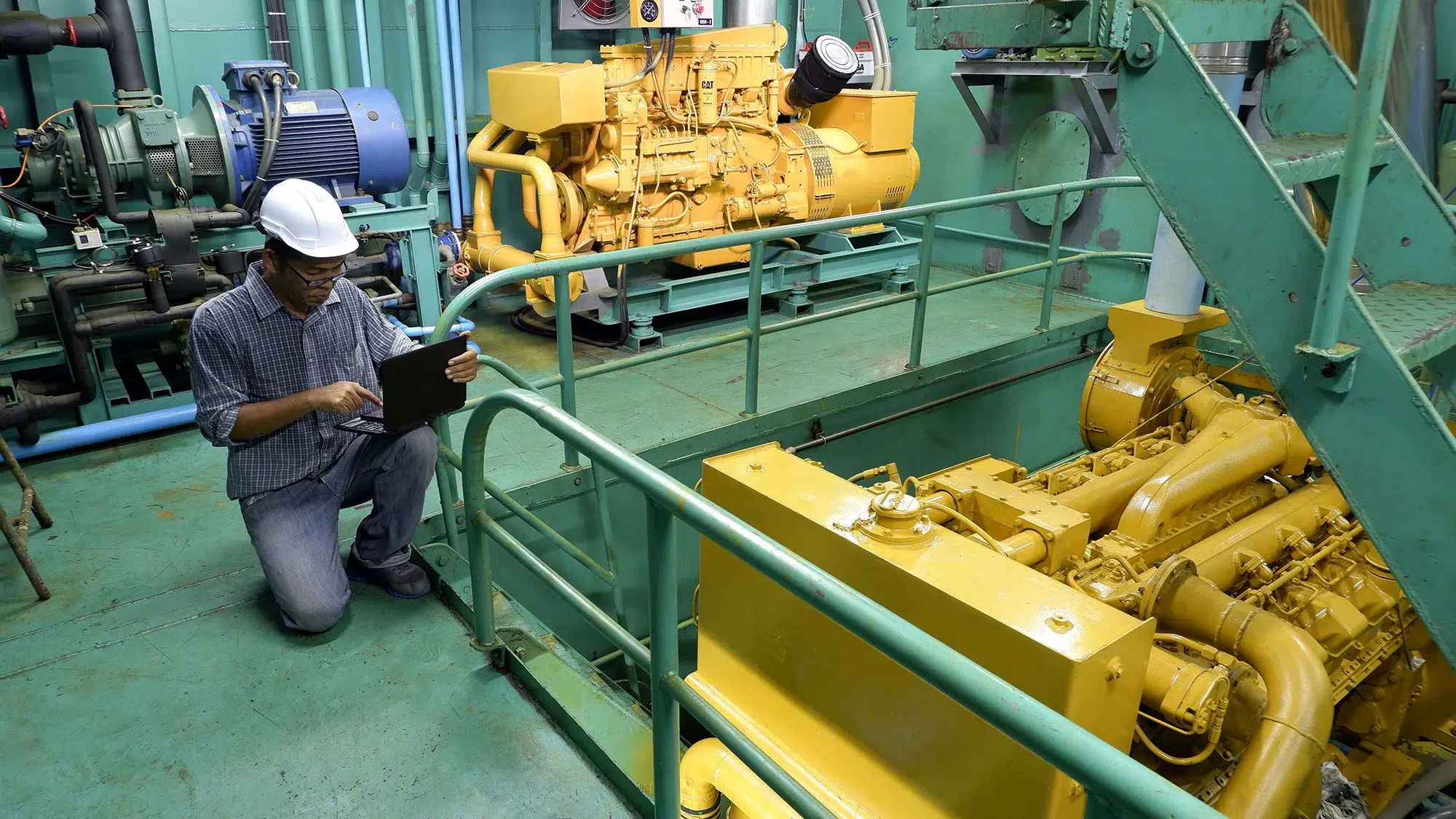 Start planning before the equipment reaches its final operating day of the season.
Identify which vessels, components, and structures are coming out of service. Review their current condition. Decide what needs cleaning, what needs blasting, and what needs coating work.
Then schedule surface prep around your haul-out and storage timeline.
Early planning gives you more room to coordinate the work around weather, facility access, equipment movement, coating requirements, and other winter maintenance.
The objective is simple. Do not let spring become the first time you take a close look at surfaces exposed to an entire season of marine service.
IS YOUR MARINE EQUIPMENT READY FOR WINTER STORAGE?
Before you park, cover, or store equipment for the season, look at the surfaces you will depend on next spring.
Blast It Clean provides industrial cleaning, abrasive blasting, surface preparation, and coating services for marine equipment and industrial assets in the Chicago region. Our team helps remove buildup, address deteriorated surfaces, and prep equipment before extended storage.
If Great Lakes winter prep is already on your schedule, now is the time to include surface condition in the plan. Taking care of corrosion prep for marine equipment before winter gives you a cleaner starting point when operations resume and keeps spring focused on getting back to work.