Pre-Winter Surface Preparation in Chicago: What Should Facilities Handle Before Freeze Cycles Begin?
Fall gives Chicago facility teams a useful window to inspect exterior steel, concrete, equipment, tanks, and coated surfaces. What needs attention before repeated freezing and thawing begins?
The National Weather Service’s Chicago first freeze records offer a planning reference, although the date changes each year. Pre-winter surface preparation in Chicago works best as part of a schedule that leaves time for inspections, repairs, and coatings after cleaning or blasting.
Rust does not disappear when temperatures drop. Loose coatings do not become more stable. Leaving deterioration on a surface through winter often means carrying it into the next maintenance window.
WHY SHOULD SURFACE PREP BE PART OF FALL MAINTENANCE?
Surface preparation helps answer an important question: What condition is the material underneath the rust, old coatings, dirt, or buildup?
Cleaning or blasting removes material that limits an inspection. Once the surface is exposed, your team gets a better look at corrosion, cracks, pitting, coating failure, and areas needing repair. Our article on how surface prep affects coating performance in Chicago’s climate takes a closer look at the connection between the prepared surface and the coating applied over it.
Fall maintenance blasting in Chicago should connect to the work scheduled next. Your team might need a clearer inspection, a steel repair, waterproofing, corrosion treatment, or a new protective coating.
WHAT HAPPENS IF SURFACE PREP IS SKIPPED BEFORE WINTER?
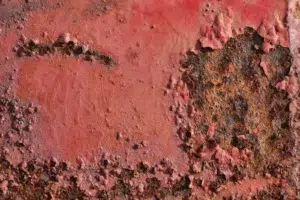 Sometimes nothing dramatic happens immediately. A rusted component does not fail because the calendar reaches December, and peeling paint does not automatically become an emergency after the first freeze.
The concern is continued exposure. If a coating is separating from steel, moisture has more opportunities to reach the surface underneath. If concrete already has cracks or damaged areas, winter conditions give your team one more reason to inspect them before choosing repairs.
Skipping fall maintenance often means accepting the asset’s current condition until another work window opens. An inspection helps your team decide which surfaces need attention now and which ones to document and monitor.
HOW DO FREEZE-THAW CYCLES AFFECT INDUSTRIAL SURFACES?
Moisture matters most. Water reaches cracks, joints, and pores in concrete. When saturated concrete goes through repeated freezing and thawing, damage can appear as scaling, cracking, or spalling. The Federal Highway Administration’s guide to concrete distress explains why damage often starts near joints and cracks.
For steel, look for failed coatings, exposed metal, and places where water collects. Corrosion prep before winter removes rust and loose material so your team can evaluate the steel and plan the next step. For concrete, cleaning can expose damaged coatings, cracks, and spalled areas before repairs or a protective system is selected.
You want to know what you are sending into winter.
WHEN SHOULD CHICAGO FACILITIES SCHEDULE FALL MAINTENANCE BLASTING?
Start with what needs to happen after prep. If blasting begins a coating project, work backward from the coating schedule. Air and surface temperature, humidity, dew point, and cure time affect the application window. Sherwin-Williams’ coating guidance recommends checking site conditions against the selected product’s requirements before and during application.
If cleaning is for inspection, scheduling it earlier gives your team more time to respond to anything uncovered. A practical sequence is to inspect the asset, clean or blast the areas of concern, evaluate the exposed surface, make repairs, apply the selected protective system, and document the work.
Thinking through the full sequence keeps surface prep connected to your maintenance plan.
WHAT SURFACES SHOULD BE CHECKED BEFORE WINTER?
 Start with assets exposed to moisture, weather, chemicals, traffic, or regular wear.
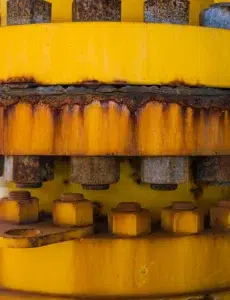
On steel, look for rust staining, bubbling paint, peeling coatings, exposed metal, and corrosion around connections. Include tanks, piping, platforms, stairs, railings, supports, and equipment in your walk-through.
On concrete, look for cracks, spalling, failing coatings, staining, buildup, and areas where moisture appears to enter. Loading areas, ramps, containment areas, floors, and exterior walls each face different exposure. We cover how cleaning reveals damage and supports repairs in our article on concrete cleaning for Chicago facilities.
Industrial winterization in Chicago should reflect your facility. A warehouse, food production plant, water treatment facility, and waterfront property will have different inspection priorities.
HOW DOES BLASTING HELP WITH CORROSION PREP BEFORE WINTER?
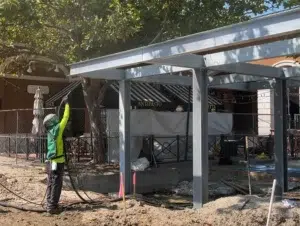 Blasting removes material between your team and the surface underneath. Depending on the project, that might include rust, mill scale, old paint, failed coatings, or other contamination. Once those materials are removed, crews can inspect the exposed surface and move into repair or coating work.
The required level of cleaning depends on the existing condition and the selected coating system. The Association for Materials Protection and Performance’s overview of surface prep standards shows how requirements differ among cleaning levels.
Abrasive blasting is one option. Other projects might call for sponge blasting, soda blasting, dry ice blasting, pressure washing, or another process. Our Chicago sandblasting and painting page explains how we match surface prep and coating work to different materials and project conditions.
SHOULD YOU BLAST A SURFACE IF YOU ARE NOT READY TO COAT IT?
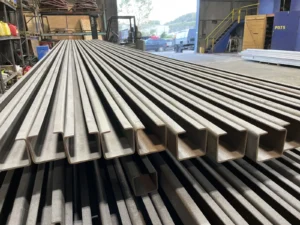 Plan those steps together when the prepared surface needs protection. You do not want to expose bare steel and leave it waiting while repairs or coating work gets organized.
Before blasting begins, confirm why the surface is being exposed. Is an inspection next? Will repairs follow? Is the coating crew scheduled? What level of cleanliness and surface profile does the coating system require?
Cold weather also affects the work after prep. Sherwin-Williams’ guidance on cold weather coating application explains why crews need to account for material temperature, site conditions, and curing. Follow the product data sheet for the system selected for your project.
HOW DOES SURFACE PREP HELP WITH INSPECTIONS?
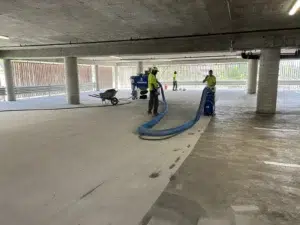 Dirt and old coatings can hide the condition of a surface. A component might look acceptable from several feet away while corrosion develops beneath a coating. Another might look rough but need less repair than expected once buildup is removed.
Cleaning gives facility managers, inspectors, and coating crews better access to the surface. You might find localized damage, broader coating failure, or sound material beneath the buildup. Each finding helps your team choose the work that follows.
WHAT SHOULD BE INCLUDED IN A PRE-WINTER SURFACE PREPARATION PLAN?
Begin with assets already scheduled for inspection, repair, painting, waterproofing, or coating. Then review exposed surfaces that have been repeatedly patched or deferred.
Think through access and sequencing. Will production continue around the work? Does the area need containment? How will crews collect dust or spent media? Will equipment remain operational? Does the project require lifts, scaffolding, or confined space procedures? Who inspects the surface after cleaning, and what work follows?
These questions help you place blasting or cleaning within the larger maintenance schedule. Our article on what Chicago project managers should review when hiring a blasting contractor covers planning, containment, and coordination before crews arrive.
IS FALL TOO LATE TO START SURFACE PREP IN CHICAGO?
The answer depends on the remaining work. Cleaning for inspection has different scheduling needs from blasting followed by repairs and several coating steps. Indoor work also differs from an exposed exterior project.
Review the selected coating’s requirements and expected site conditions. Leave time between inspection, repairs, and application. Some projects will fit the available window. Others are better documented now and scheduled for a later period.
WHAT SHOULD FACILITY MANAGERS DO BEFORE THE FIRST FREEZE?
Walk the facility with winter exposure in mind. Look closely at places where corrosion, coating failure, cracking, or moisture intrusion has already started. Review maintenance records for assets that keep returning to the repair list.
Then prioritize by condition and exposure. Some surfaces need cleaning for a better inspection. Others are ready for blasting, repair, and recoating. Some need documentation and monitoring.
Pre-winter surface preparation in Chicago gives your team better information while there is still room to plan the work that follows.
PLAN SURFACE PREP AROUND THE WORK THAT COMES NEXT
Fall maintenance does not require doing everything before winter. It calls for deciding what to address now and what to schedule later.
Blasting and industrial cleaning expose the condition of steel, concrete, equipment, and coated surfaces. That information supports inspections, repairs, corrosion treatment, and coating work.
Blast It Clean provides mobile industrial cleaning, blasting, surface preparation, and coating services for facilities throughout the Chicago area and nationwide. If you are building your fall maintenance schedule, request a project quote so we can look at the surfaces involved and help determine where cleaning or blasting fits.